Tom Michaels: The Filmmaker Who Refused to Go Digital
An interview on horror, celluloid, and why simplicity is the hardest thing in cinema, by Sharon Grace Badia.
Some filmmakers find cinema. Tom Michaels was found by it — as a child in Poland, then as a newcomer to America, always on the outside looking in at a world that felt made for him. Now, with his third short Come the Nightfall collecting awards across the festival circuit, he's not looking in anymore.
Trained as a method actor, shaped by a love for celluloid and a refusal to follow trends, Michaels has built something rare in today's independent film landscape — a voice that is entirely his own. Raw, instinctive, and rooted in the kind of filmmaking that ruled Hollywood in the 1970s, his work doesn't ask for your attention. It takes it.
We sat down with the founder of Orzel Films to talk about getting lost in a character, building a horror franchise, and why keeping it simple is the hardest thing in cinema.
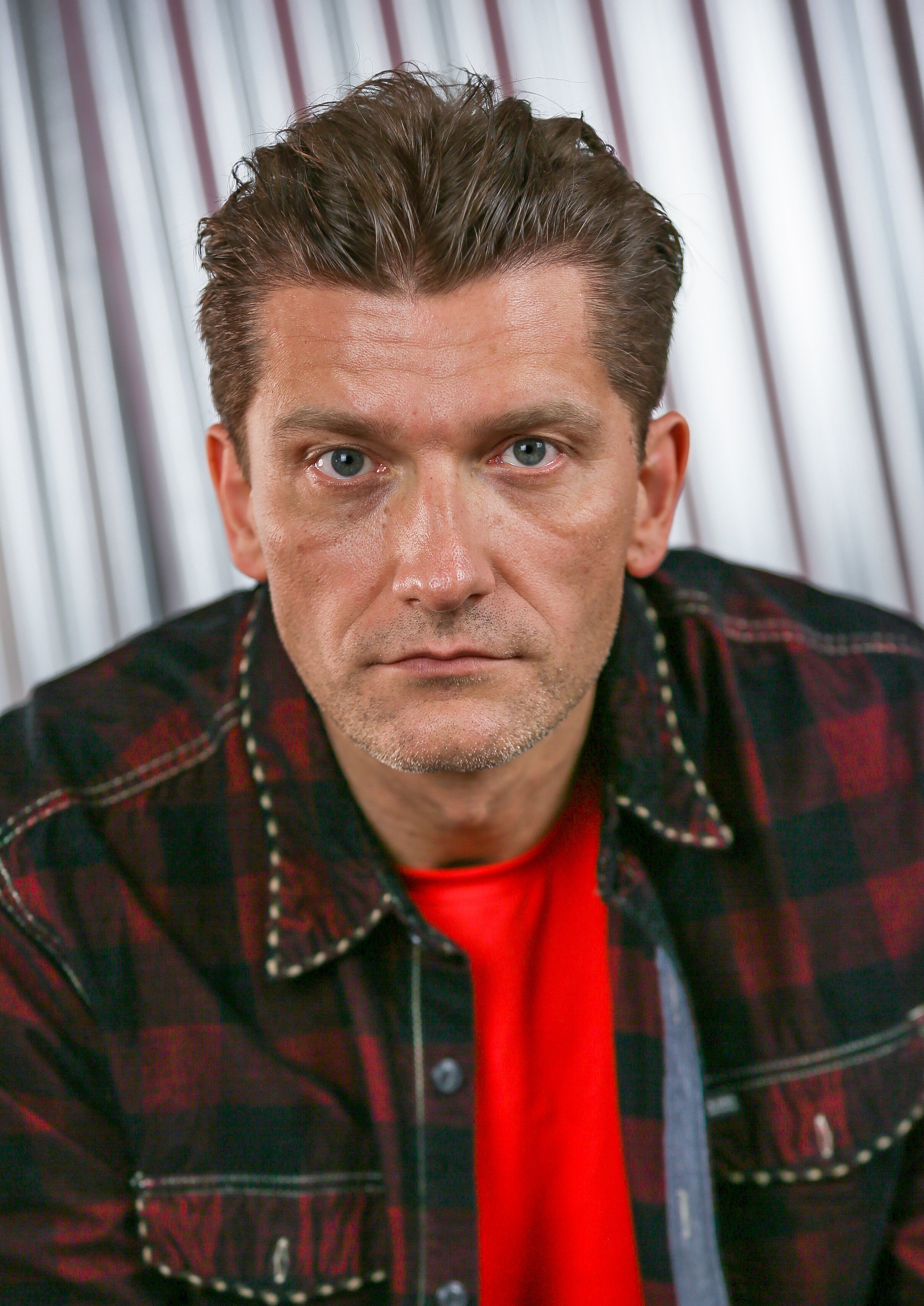
FIlmmaker Tom Michaels

By Sharon Grace Badia
Published on June the 1st, 2026
ABOUT THE FILM
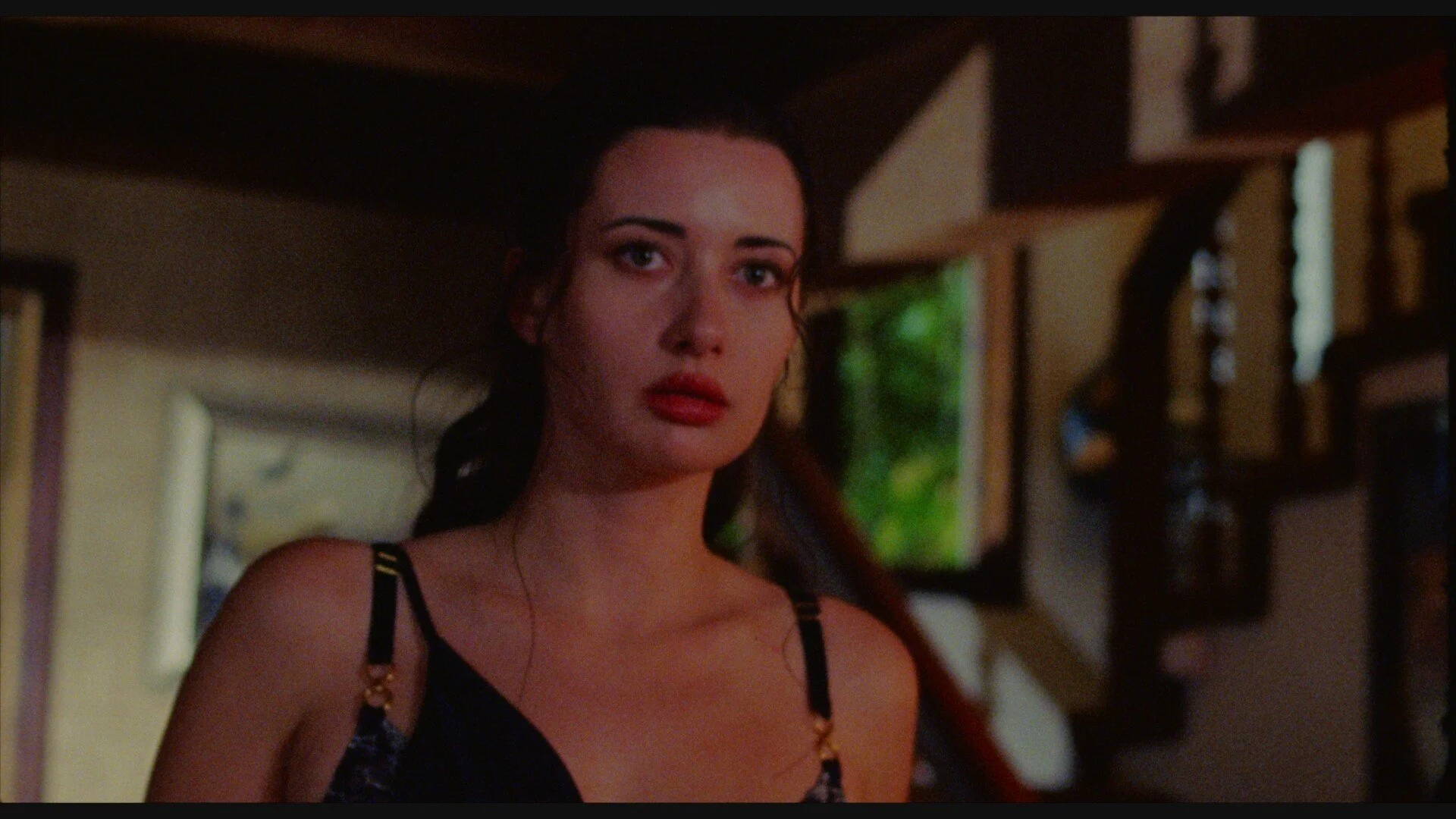
Come the Nightfall is a 23-minute horror short written and directed by Tom Michaels, shot entirely on 16mm film. The story follows a dangerous femme fatale and a wealthy man named Bill (a character with a fractured identity and dark desires) whose encounter leads to a deeply unsettling climax.
Produced under Orzel Films and featuring production design by Chris Kooreman, the film has accumulated 162 awards and 203 nominations across the international festival circuit.
Here's our top 12 questions with Tom
🐡
Here's our top 12 questions with Tom 🐡

12. You were born Tomasz Bagiński in Poland and grew up watching American cinema as an outsider. Do you think that distance gives you a different relationship to classic Hollywood genres than someone who grew up inside them?
A. For me, distance is irrelevant. I just fell in love with movies in general. I remember as a child in Poland, one of the first films I ever laid my eyes on was Ishiro Honda’s Godzilla. When I moved to America, the first film I watched was Planet of the Apes. One was an Independent film from Japan and the other a major Hollywood studio film. Both classical films from opposite sides of the world.

Q11: Who is a filmmaker that most people wouldn't expect to find in your DNA?
A. That's a very interesting question — I've never been asked this before. People have compared me to Alfred Hitchcock, John Carpenter and Brian De Palma, but the one they wouldn't expect would be Stanley Kubrick.
Q10: You briefly studied Business Management before pivoting to film. Has any of that actually been useful running Orzel Films?
A. Studying Business Management has been extremely helpful, especially when running a full fledged independent production company. You have to understand how a business operates from its inception to the present moment. It's not easy — there are certain trials and tribulations when running a business of this caliber — but having that knowledge goes a long way.

Q9: You trained as a method actor before becoming a director. Do you essentially act out your scripts as you write them?
A. The way I operate is I write something simple and yet effective. During the filming process you enhance everything — from the scenes to the performances — but you keep it simple. Do not over-complicate it.
Q8: Come the Nightfall is now becoming a film franchise. Do you see that as expanding the mythology or deepening Bill's psychology specifically?
A: It's all about entertainment and what the audience wants. Anytime you have a great story, the public wants it to expand because they enjoy it.

Q7: You've said film has a "lifeforce" that digital lacks. When you move to 35mm for features, how do you think that shift will change your visual approach compared to what you did on 16mm — do you expect it to feel like a natural evolution or almost a new language?
A. 35mm and 16mm are for the most part one and the same — it's all film, not digital. The difference between the two is how you want to tell the story visually; the way you frame the film gives it a specific look and feel. I can use both 16mm and 35mm in one movie, depending on how certain scenes are told within the story.

Q6: What will Orzel Films look like in five years?
A. Orzel Films will be a very powerful, full fledged independent production company that will reshape how society views films. Orzel Films will bring back the retro, vintage style of filmmaking we were accustomed to during the 1970s, when independent filmmaking ruled Hollywood.

Q5: You have nearly 20 projects in development. How do you make sure your own voice doesn't get lost in all of that?
A. It will never get lost because every project is written by me. I have a hand in everything I do from start to finish. My voice will always be heard.
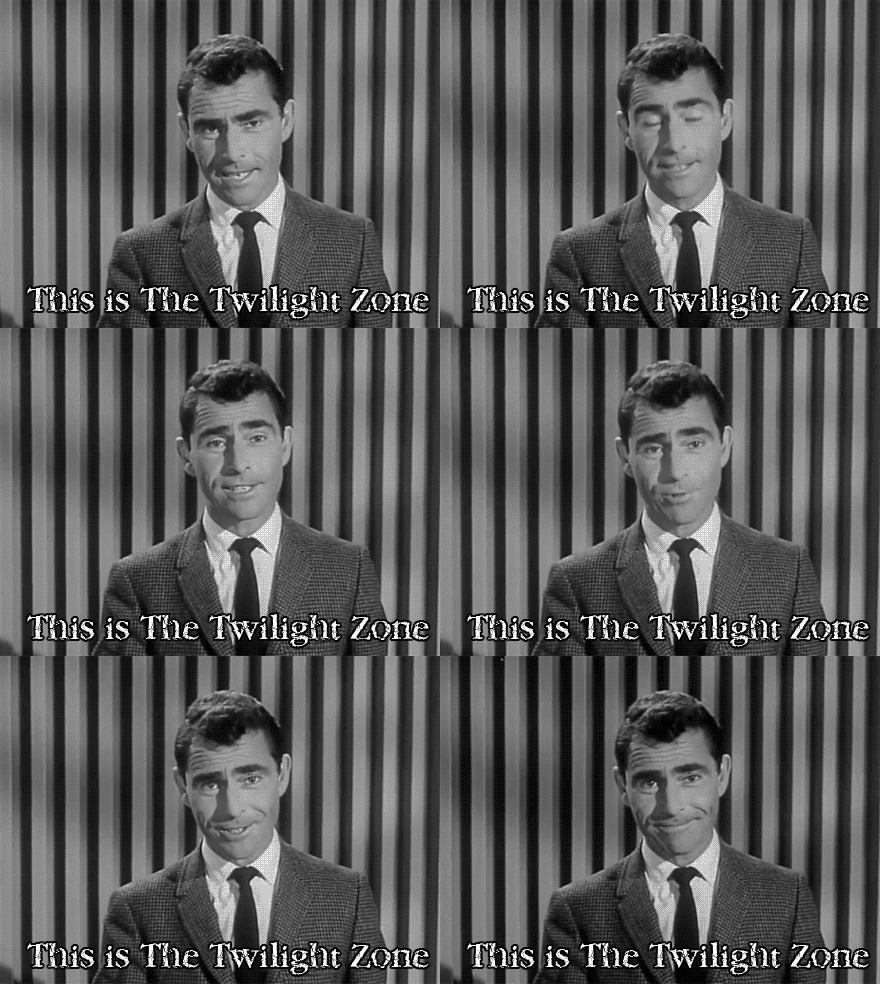
Q4: What's a film or TV show you watched recently that genuinely surprised you, and why?
A. It's been some time, but recently I've been watching the original Twilight Zone. If you want to observe really good acting and understand the fundamentals of it, watch this show. In every episode, the performances were spontaneous. Acting is really about reacting — you listen and react, that's all. Some of the best acting you will ever see.

Q3: Your production designer Chris Kooreman added the disturbing portraits inside Bill's house on his own initiative. How much of your best work comes from that kind of collaborative discovery versus what's locked in the script?
A. Having a good team is really what separates a good film from a great film. You need the right people when developing a film — you have to cover all elements within it. Chris did a phenomenal job. I remember getting on the phone with him, discussing what needed to be done, and he went above and beyond designing some really disturbing yet beautiful portraits that blended with the scenes so perfectly.

Q2: You played Bill, a man with a fractured identity and dark desires. Where was the line between commitment to the character and protecting yourself?
A. As a method actor, I like to dive into the character and get completely lost within it. There has to be a free spirit about it. You need to find something deep inside yourself and form some kind of parallel for the character to come out — but you always have to understand that it's all make believe and know how to turn it off, because it can become an uncomfortable situation for yourself and the people around you on set. When you are trained in this line of work as I am, you know where the off switch is, and that's what makes it a safe working environment.
Q1: You want future filmmakers to cite you as an influence the way Carpenter influenced you. What specifically do you hope they take from your work — a visual signature, a thematic obsession, or something else?
A. Specifically, a filmmaker that depicts realism and keeps it simple and yet effective. A filmmaker that believes movies were meant to be shot on FILM only!
Some people chase the future. Tom Michaels is too busy rescuing the past — one frame of film at a time. With a horror franchise in the making and nearly 20 projects in development, something tells us cinema is in good hands.
Check out more about Tom and his works here:
www.orzelfilms.com
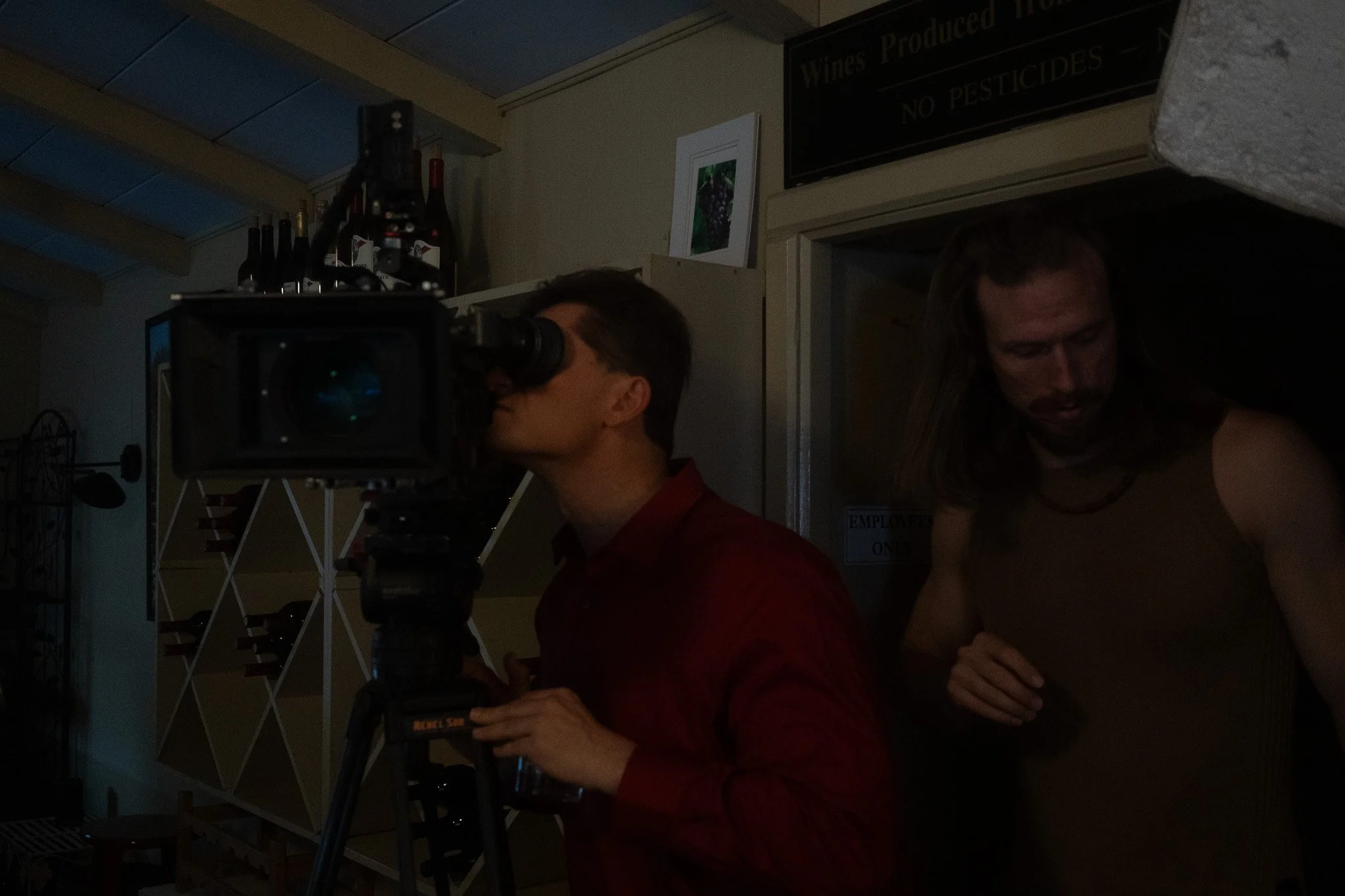
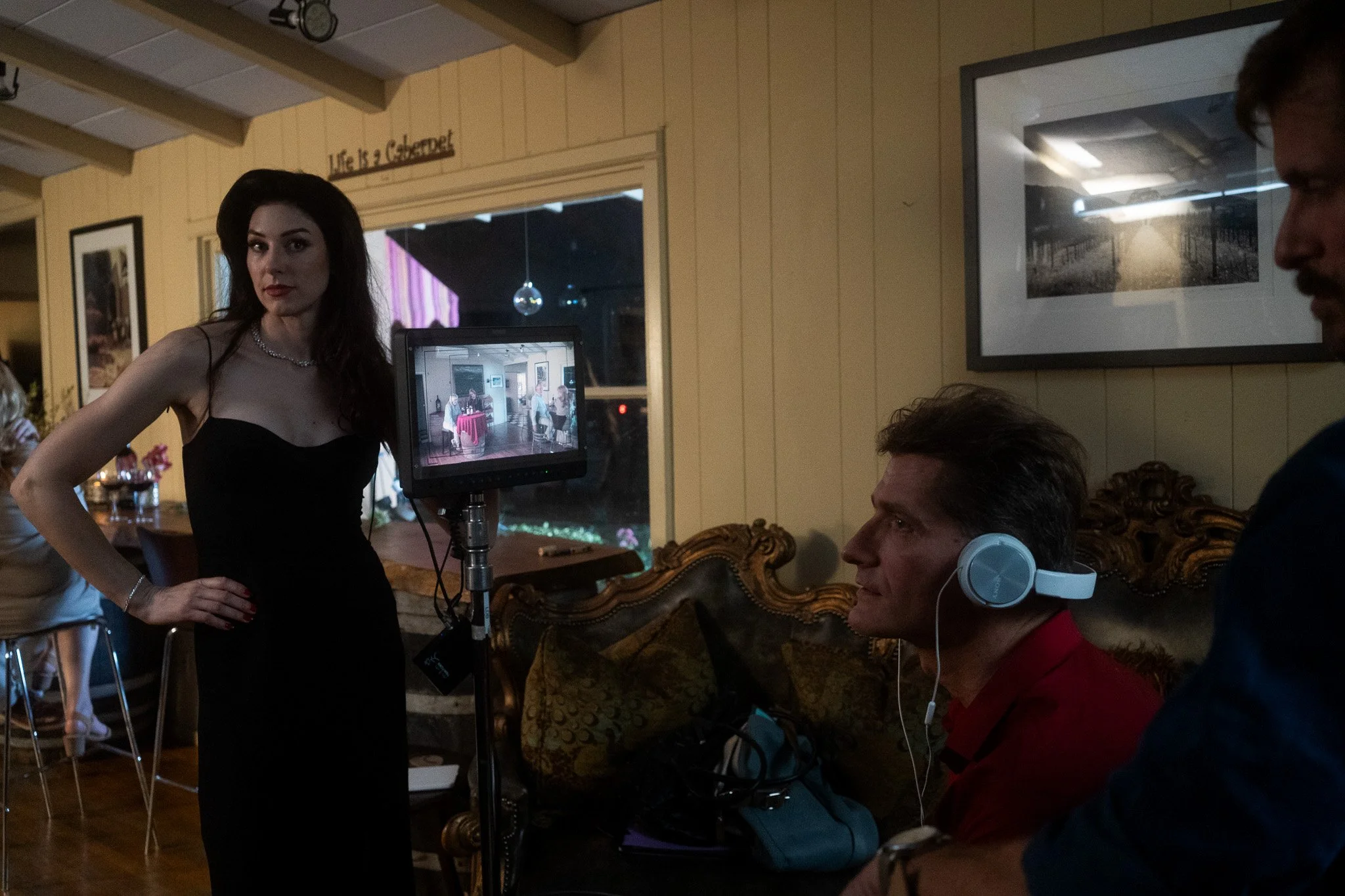
On the set of Come the Nightfall (2025)