

What's Tim Burton's Producer Doing in a Backyard Pool?
A Golden Ticket Behind the Curtain: producer and director Derek Frey on Tim Burton, indie films, and the camera he can't put down
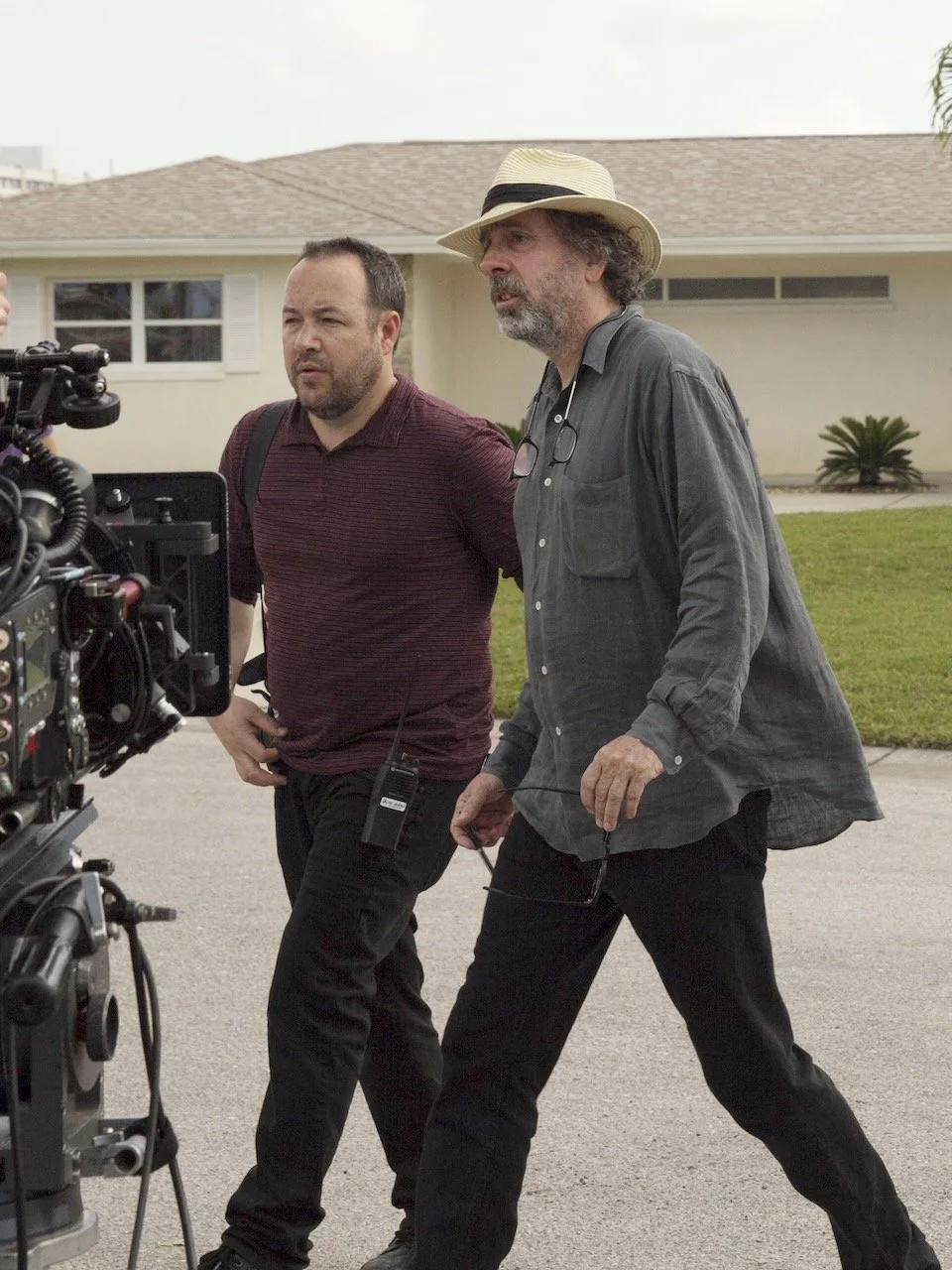
Derek Frey and Tim Burton on the set of Miss Peregrine's Home for Peculiar Children (2016)
Welcome, Kraken fans, to another deep-dive interview!
Step right up and prepare your senses! You are about to enter the peculiar and wonderful world of Derek Frey.
For decades, he’s been the trusted producer shepherding Tim Burton’s most fantastical visions (from the psychedelic chocolate river to the Headless Horseman’s haunting trails).
But beyond the studio gates and giant sets lies his own wonderfully strange backyard, where he directs award-winning indie shorts that are equal parts funny and frightening.
Consider this your golden ticket behind the curtain, where we explore the mind of a filmmaker who navigates billion-dollar dreams and intimate, offbeat tales with equal finesse.
Don't miss the secrets ahead!
You cannot miss the incredible moment in Question 2 where there’s a Hollywood memory you have to read to believe.
And for every filmmaker trying to balance scale with soul, Derek's advice in Question 1 is a masterclass in creative survival.
Let’s dive in!
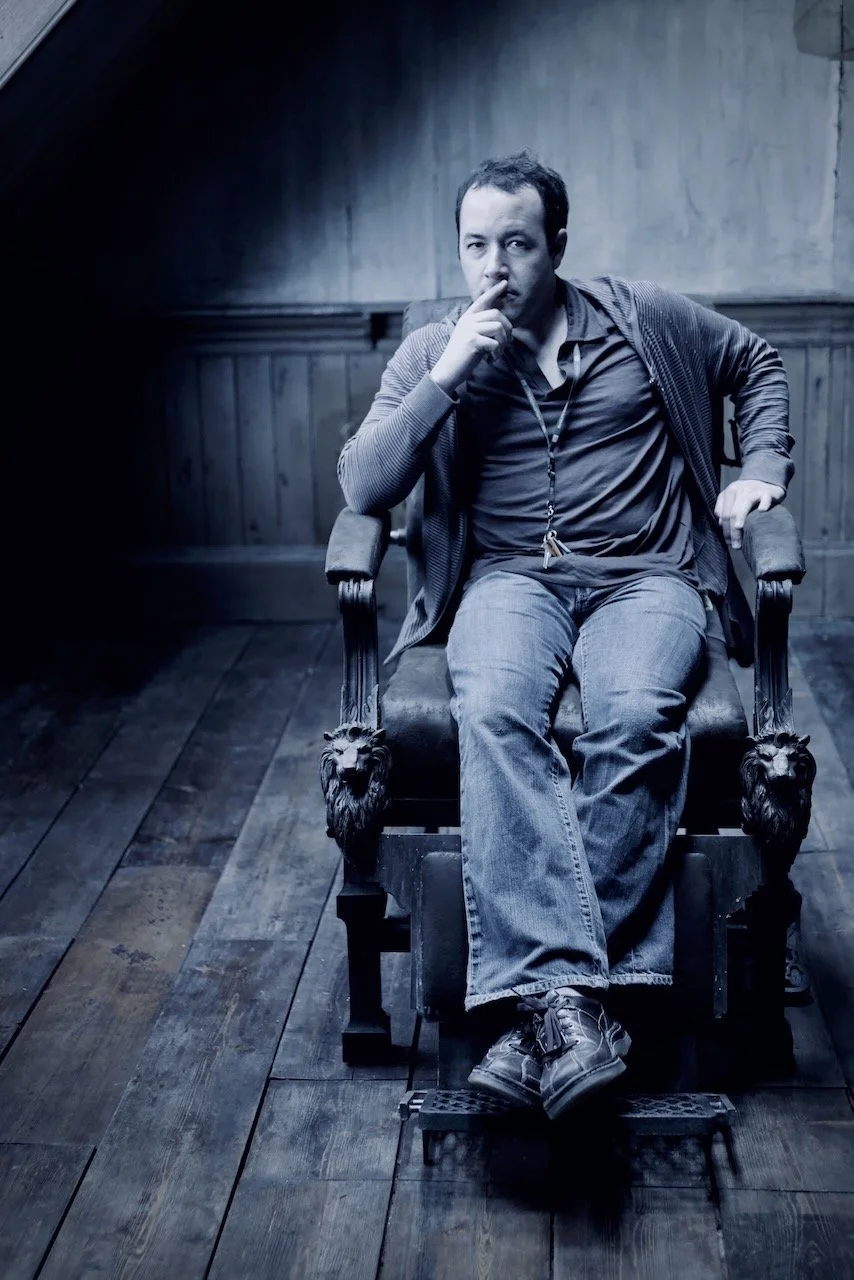
Derek Frey on the set of Sweeney Todd (2007)

By Sharon Grace Badia
Published on February 6th, 2026
Here's our top 12 questions with Derek
🌊
Here's our top 12 questions with Derek 🌊

12. You've shepherded Tim Burton's peculiar visions to the screen for decades.
How do you switch creative gears when making your own award-winning indie shorts like Viaticum or The Current State of The Backyard Pool Industry?
A. It’s a bit of a reset for me. Big studio films carry a lot of responsibility and moving parts, and I love that challenge, but there’s something cathartic about shifting to a smaller project where the timeline and creative choices are more fluid and my own.
The smaller, personal films remind me why I started making movies in the first place. The balance between the two worlds keeps me energized. One stretches my craft, the other feeds my voice.

11. The $2.9 billion producer with a camera: The films you've produced have earned nearly $3 billion, yet you often direct and operate the camera on your own projects. Do you feel most powerful with a spreadsheet or a viewfinder in your hand?
A. My love of filmmaking really started with the camera and storytelling. That was the entry point for me. I fell in love with the camera at a young age, and that hasn’t gone away along with my fondness of editing, it’s still one of my favorite parts of the process. I feel most creatively alive when I have a camera in my hand or when I’m shaping a film in the edit.
At the same time, filmmaking in any capacity requires understanding the “spreadsheet realities.” As a creative producer, my skill set naturally leans toward story development and helping bring all the pieces together. A big part of my role is helping maintain the director’s vision from development through post-production, making sure the film stays true to its tone and intention.
So both worlds matter, but the creative spark for me has always lived closest to the camera and the edit.
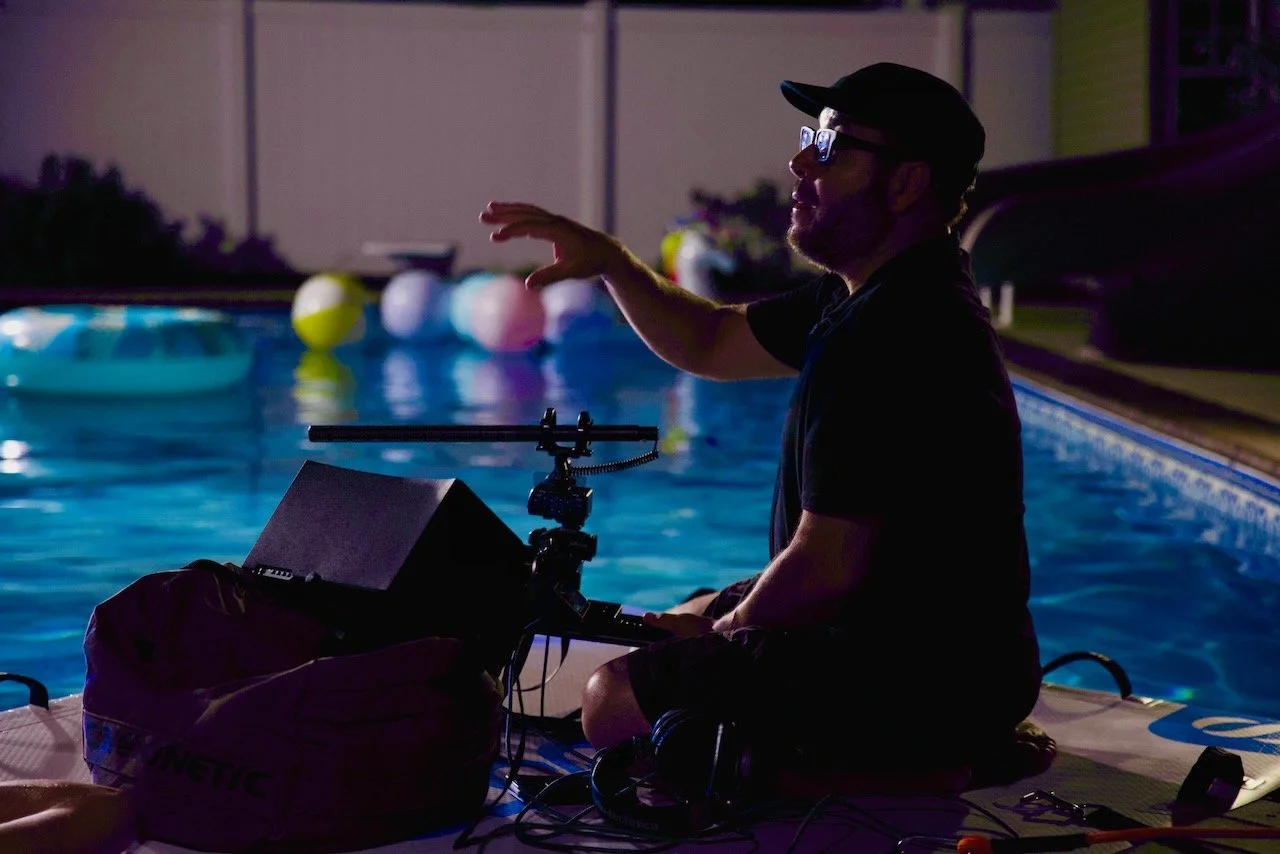

10. You started as Tim Burton's assistant on major films Mars Attacks! (1996), Sleepy Hollow (1999), Planet of the Apes (2001) and Big Fish (2003), and rose to lead the Tim Burton Productions company. What's one piece of "assistant-level" wisdom that still guides your decisions as a top producer today?
A. Those early experiences were a real education. As an assistant, you get to see everything. You’re close enough to observe how a director works, how producers solve problems, how a film evolves from idea to final cut.
I genuinely loved that time. I wanted to be a fly on the wall and help wherever I could. I was lucky to have producers around me who were generous with responsibility and mentorship.
What stuck with me most were the basics, communicating clearly (and at the right moments), paying attention and perhaps most importantly, listening. Those sound simple, but they’re actually at the heart of producing. You’re constantly helping ideas move forward by understanding people.

9. What’s a unique memory you recall from working with a specific actor from any set, that you recall fondly?
A. There are so many memories it’s hard to single out just one, but I do often think about Johnny Depp’s work on Sweeney Todd: The Demon Barber of Fleet Street There was a real sense on that set that something special was taking shape. It’s such a dark, demanding role, and then you add the musical performance on top of it.
Johnny approached it with total commitment. You could feel the focus and intensity around him when the camera rolled. It wasn’t showy, it was very internal, but you sensed the weight of the character and the world he was inhabiting. Moments like that remind you how transformative a performance can be.
8.Your indie shorts have cleaned up at festivals. What's the one directorial trick you learned from indie budget filming that you now use on big sets?
A. Sometimes on large productions, the scale and logistics can make a simple creative goal feel overly complicated. One thing indie filmmaking teaches you very quickly is how to strip a problem down to its essence and ask, What do we actually need to tell this moment?
There have been times, always in collaboration with the director, where we’ve rethought an approach and found a simpler, more direct solution. Many directors, including Tim, naturally ask why something needs to be so complex or costly, and those are healthy questions.
My low-budget experiences gave me a mindset of looking for workarounds and creative efficiencies. Those moments are really satisfying because they reconnect the crew to the hands-on, problem-solving spirit that draws people to filmmaking in the first place.
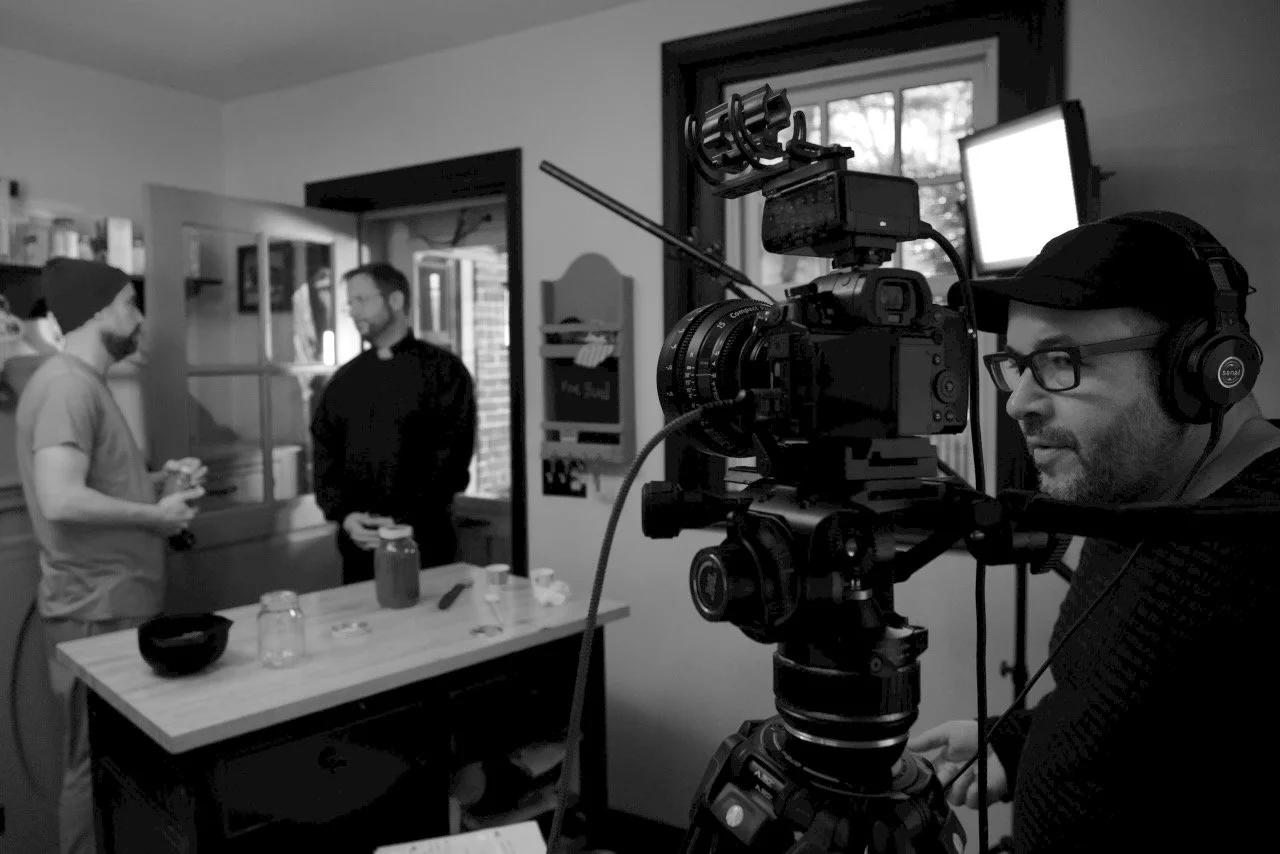

7. After producing films like Charlie and the Chocolate Factory, Alice in Wonderland, and Dumbo, what draws you to reimagining classic stories for modern audiences?
I’m a big believer in creating new, original stories, something I try to pursue in my own directorial work, but there’s also a unique satisfaction in revisiting stories that are deeply embedded in culture. These tales already live in the audience’s imagination, and as filmmaking tools and perspectives evolve, it’s exciting to explore how a reinterpretation can make them feel fresh for a new generation.
There’s also a practical side. Filmmaking is both art and business, and studios have increasingly embraced legacy material because it carries worldwide recognition and appeal. That level of awareness often means strong support and resources behind the production.
At the end of the day, we make films to be experienced on the big screen. Sometimes reimagining a classic is one of the most effective ways to bring audiences into theaters for a shared cinematic experience.

6.What's a directorial hill you're willing to die on? (For example: never shooting a scene without X, or always avoiding Y in the edit)
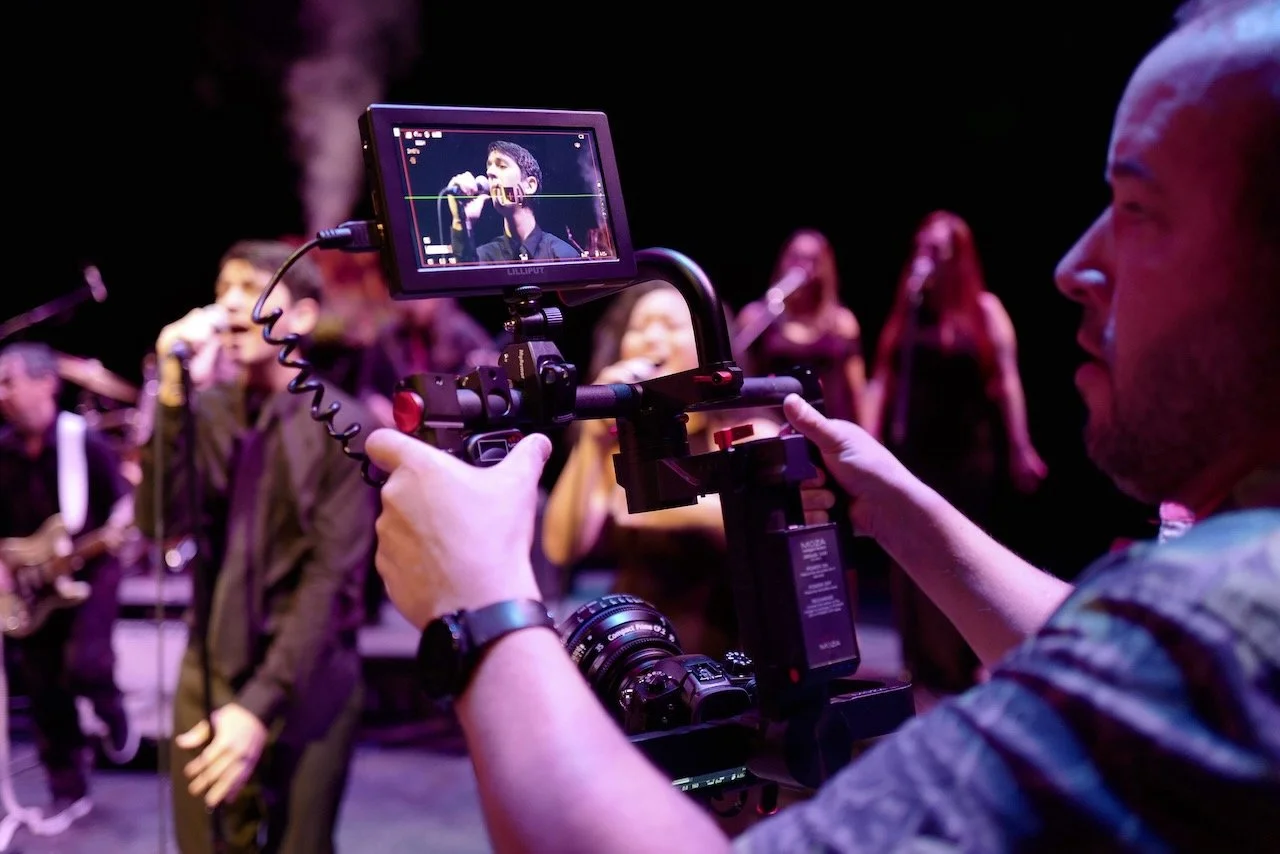
A. One hill for me is treating the camera as an active character in the film. Before shooting a scene, I need to understand what the cinematography is saying about the story and about the characters. The camera isn’t just recording, it’s participating.
I also tend to think ahead to the edit. I like to have a sense of how the cutting will reflect and support that camera perspective. If I don’t have a clear internal roadmap for how a scene will live in the edit, I find it harder to shoot with confidence.
That approach has always been my compass, alongside the script. Story and character come first, and the camera and edit are there to serve them.

5. Your style finds the funny in the frightening. As a director, is your first question: "How do we make this weird scene actually relatable?"?
A. I’ve always felt that two of the hardest things to do in film are to genuinely scare people and to genuinely make them laugh, and I’ve been drawn to both of those spaces and at time overlapping the two.
It’s okay not to be certain how to feel, that’s a feeling too. When humor and fear sit side by side, it can unsettle people a little, but I think that’s a healthy space for cinema. Filmmakers should be exploring limits, defying expectations, and broadening what audiences think is acceptable tonally.
In my earlier work on projects such as Captain Crabcakes, Sketch, and Born on the Fifth of July, I wasn’t concerned with relatability at all. I was happy to raise the freak flag as high as possible. Those films were pure, strange expressions, and they were for the people who connected to that wavelength, including myself.
With time, I’ve found more interest in offering an entry point for a wider audience, but without sanding down the weird too much. The goal now is balance, an invitation in, but still with a strange core left intact.
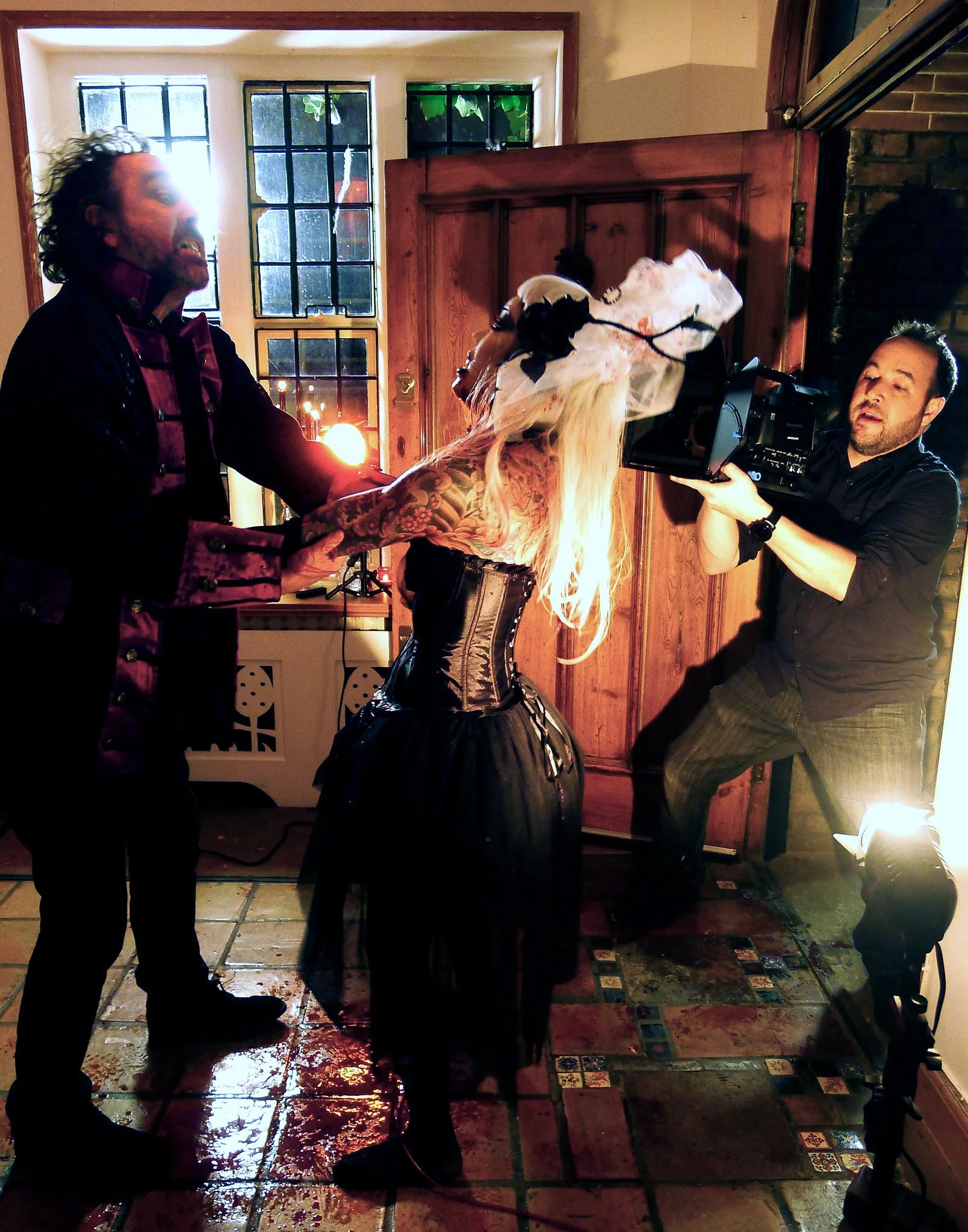

4. Your latest short films are dark comedies. What do you think is absolutely necessary to deliver a comedy film?
A. A big part of dramedy is timing, and I’ve been fortunate to collaborate with The Minor Prophets on a number of dark comedies (Kill the Engine, Motel Providence, Awkward Endeavors) where that timing is very finely tuned. They write and perform in the films, and we share a similar sensibility, probably shaped by our similar upbringings in Drexel Hill, Pennsylvania.
Their comedic instincts are sharp, and my role is to complement that through what the camera emphasizes and how the edit shapes the rhythm. Comedy often lives in those small beats, when you hold a shot a moment longer or cut just a fraction earlier.
There’s a kind of symmetry between performance, camera, and editing that has to line up. When it does, the humor lands in a very natural way. I think we found that balance especially well in The Current State of the Backyard Pool Industry.
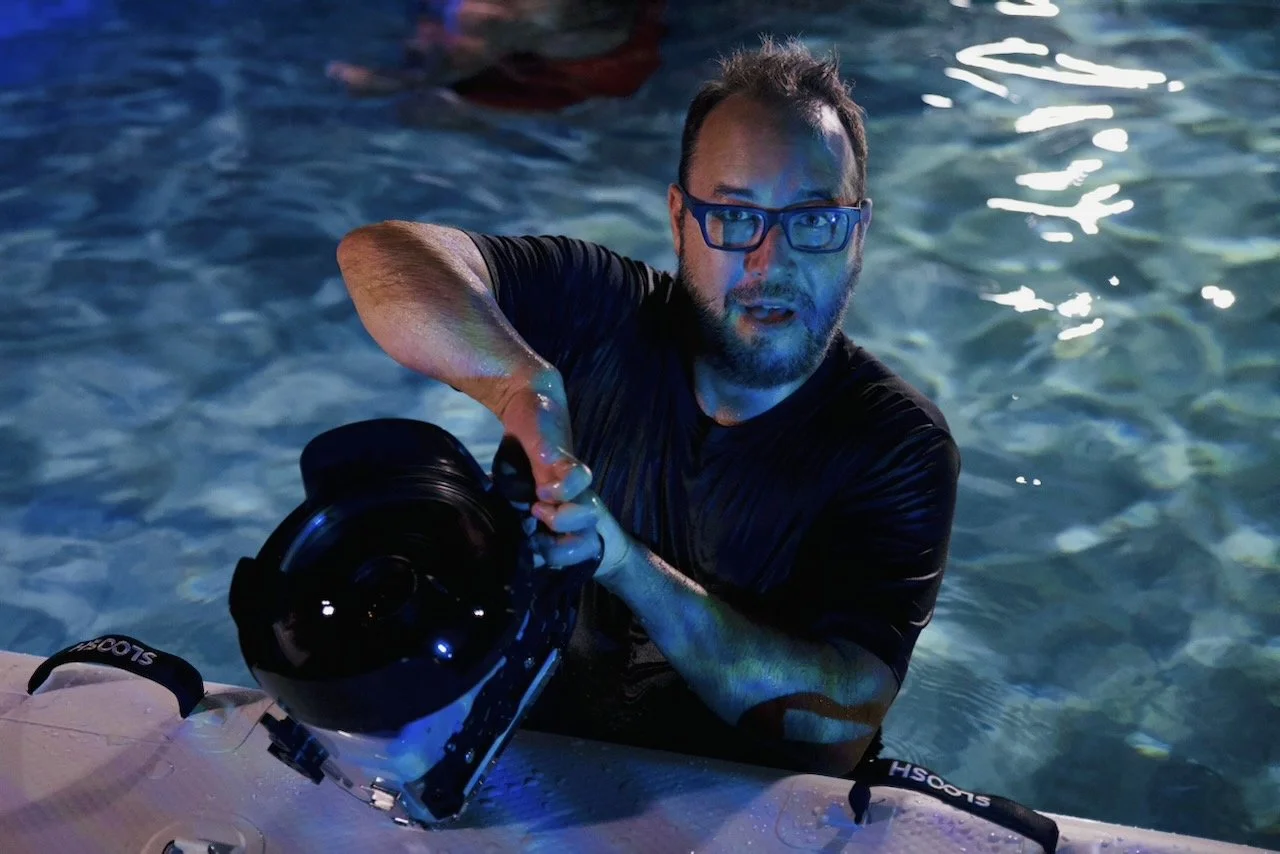

3. For your latest short film, The Current State of the Backyard Pool Industry (2026), you've cited Fellini as inspiration for blending reality and gentle fantasy. How do you direct actors to make that magical shift feel brilliant and fun?
A. Fortunately, the core actors in The Current State of the Backyard Pool Industry are also the writers, so the tone was being shaped from the very beginning. We did a number of workshop-style readthroughs on Zoom where the characters started to take form. They came in with strong instincts already, and then we refined nuances both in those sessions and again on set.
Willy Chamieux’s character leaned the most into the fantastical side, so we spent time calibrating just how far to push it. The goal was never to announce the fantasy, but to let it feel like a natural extension of the character.
We liked the idea that the audience might question whether what they’re seeing is a dream or a lived experience. A lot of that ambiguity rests on Willy’s presence and performance. If the characters treat their world as real, the gentle fantasy tends to follow organically.

2. What’s a peculiar, unique memory you recall from any of the sets you’ve worked on, that you’ll never forget?
A. That’s a difficult question to answer because there are so many peculiar memories, but one that really stays with me is my first major set experience on Mars Attacks! It was the White House set on the Warner Bros. Hollywood lot - an Oval Office scene where the characters are discussing the Martian threat.
In the room were Jack Nicholson, Martin Short, Pierce Brosnan, Paul Winfield, and Rod Steiger with Tim Burton directing. I remember stepping back and realizing the level of talent assembled in one space. It felt a bit surreal, especially since I was, and still am, a big admirer of Jack Nicholson, Martin Short and of course Tim. All idols of mine in one room!
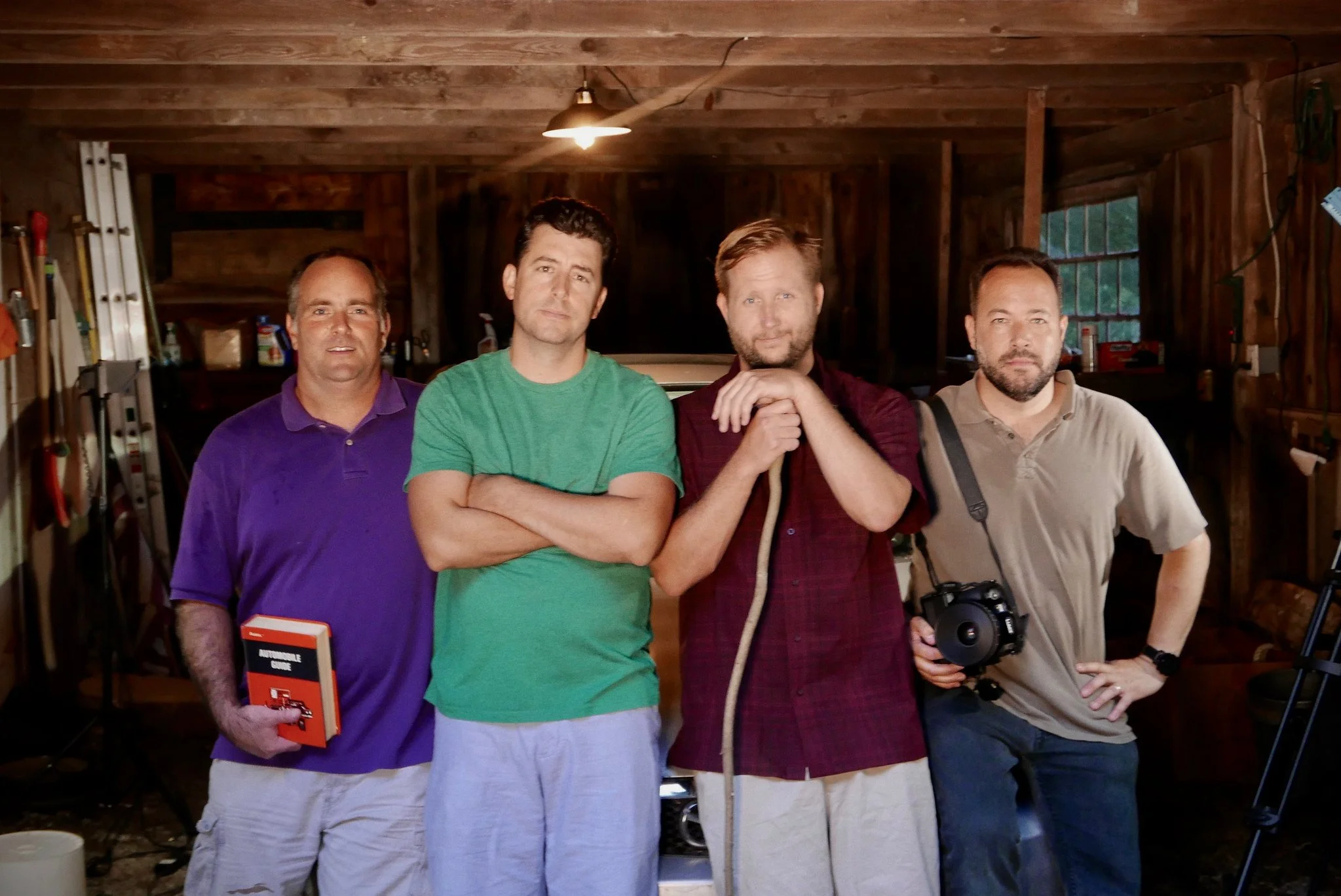
1. You seamlessly move between Hollywood and the indie scene. What's your one piece of future-proofing advice for a filmmaker who wants to build a resilient, hybrid career like yours?
The truth is, the storytelling process isn’t that different between Hollywood and indie films. The scale changes, but the fundamentals don’t. Understanding how films get made and appreciating every role on a set really helps you navigate both worlds.
I’d say focus on making work that challenges you and that audiences can connect to. The industry changes constantly, but audiences still respond to honest storytelling.
And don’t wait for permission to tell new stories. The technology now exists to create meaningful storytelling with tools that are incredibly accessible. You can sketch, shoot, edit, and share ideas in ways that weren’t possible a generation ago.
What still matters most is voice and intention. If the passion is there, it tends to carry you through the ups and downs. The act of making the work is how you find your path.
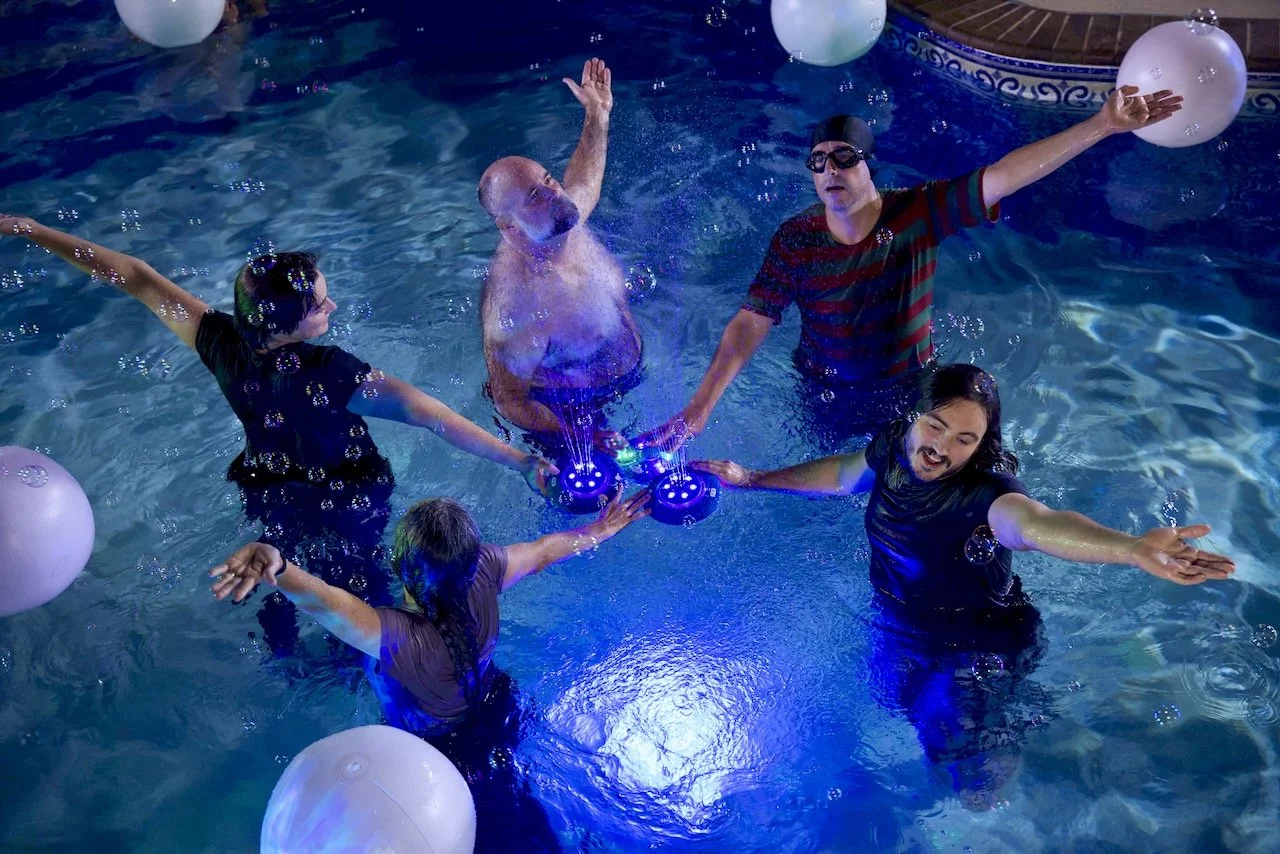
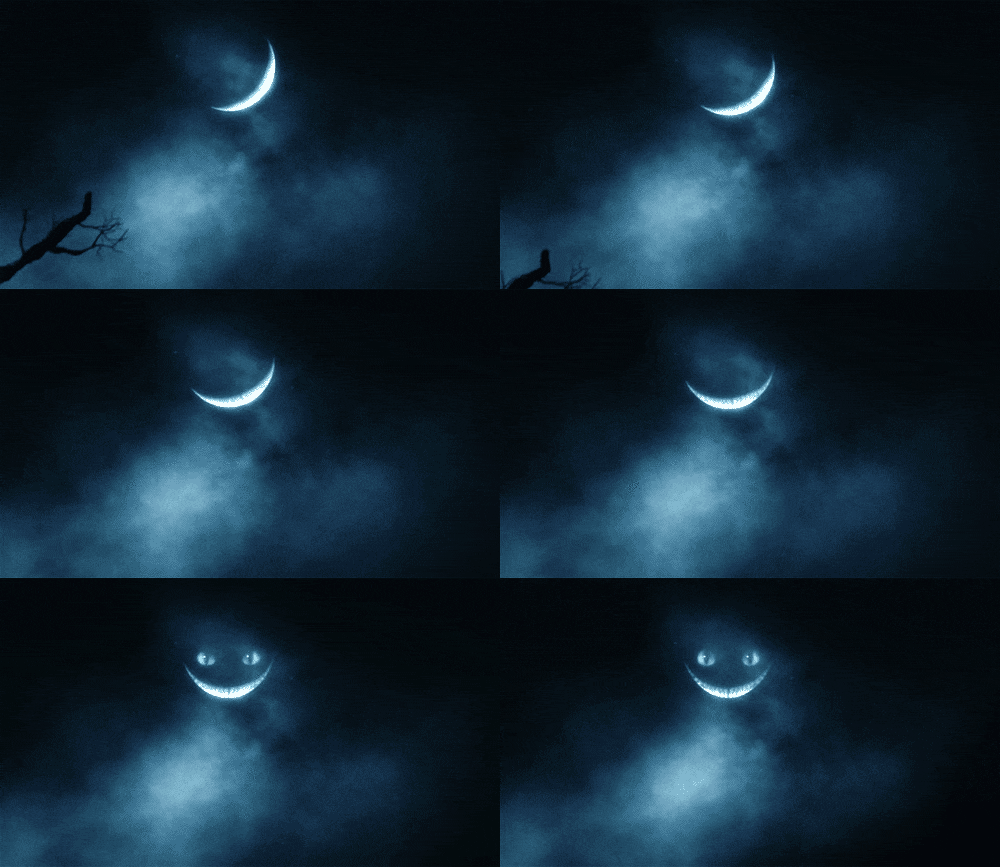
Still from “The Current State of The Backyard Pool Industry” (2026)
To discover more about his work, visit: https://www.derekfreyfilms.com
And the official website for The Current State of the Backyard Pool Industry:
Cinematic Portfolio
Some of Derek Frey's Filmography
Explore the diverse filmography of Derek Frey, featuring his work as producer, co-producer, and associate producer on major motion pictures alongside director Tim Burton and other notable filmmakers.

Big Fish
A frustrated son tries to determine the fact from fiction in his dying father's life.

Charlie and the Chocolate Factory
A young boy wins a tour through the most magnificent chocolate factory in the world.

Frankenweenie
Young Victor resurrects his beloved dog Sparky in a home experiment.

Miss Peregrine's Home for Peculiar Children
A teen discovers a magical refuge for unusual children after a family tragedy.

Dark Shadows
A vampire awakens in 1972 and returns to his ancestral estate to find his descendants.

Alice in Wonderland
Alice returns to Wonderland to overthrow the Red Queen with help from old friends.

Big Eyes
A drama about the awakening of painter Margaret Keane, who fought to reclaim her work.

Dumbo
A young elephant with oversized ears discovers he can fly with help from a friend.