

A spoiler-free review by Kraken Film Reviews
L'Aube Dorée
-
Nicolas Lenerand
-
Nicolas Lenerand, Mélinda Martinho
-
France
-
Kevin Sakac,
Nicolas Lenerand,
Mélinda Martinho -
19 minutes
-
Action, Adventure, Drama
-
French
-
Read it? Now hear it.
Don't just read the review, listen to it.
Every great film has an audio track. Now, so do our reviews.
In the competitive landscape of the short film format, L'Aube Dorée presents itself as a deliberate and polished piece of genre filmmaking. It is a work that understands its assignment: to deliver a condensed, atmospheric slice of medieval intrigue with professional sheen. The film succeeds in its core technical mission, though story-wise, it plays things safe, sticking to a well-worn path.
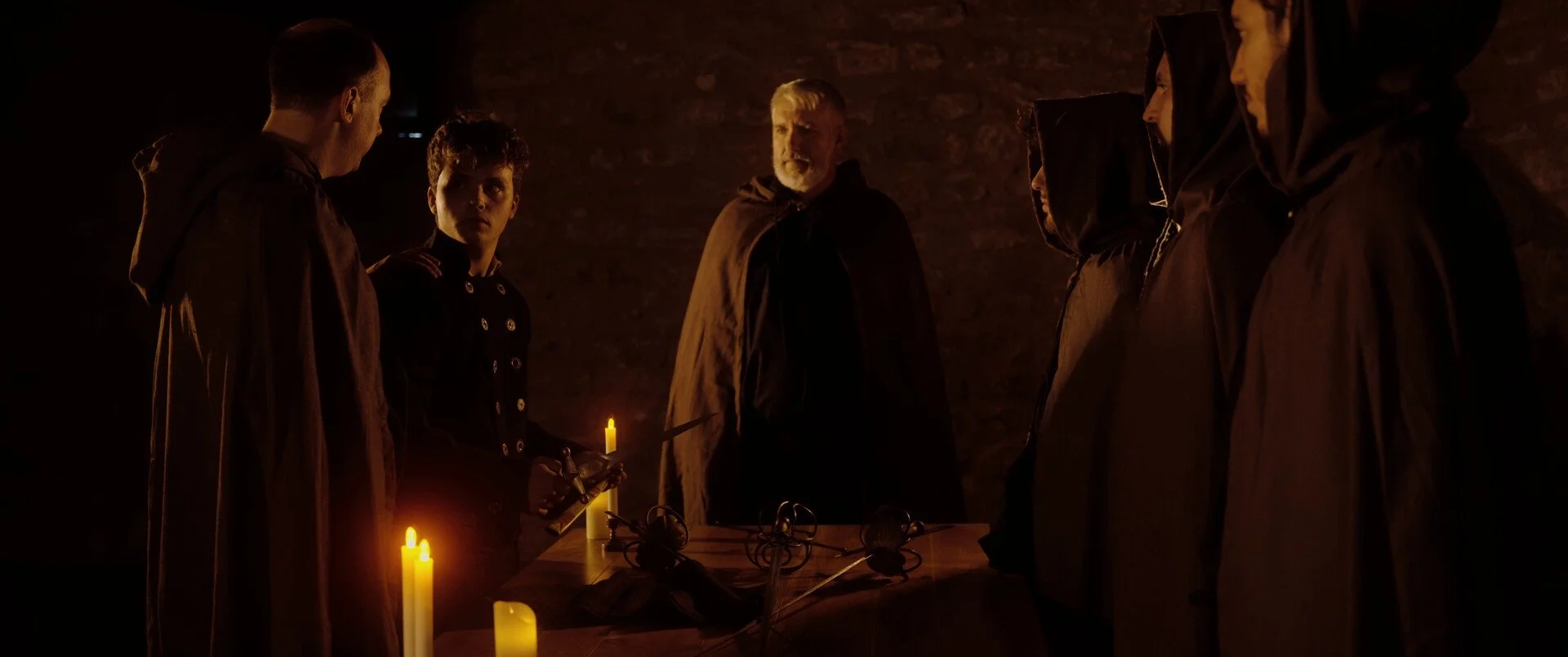
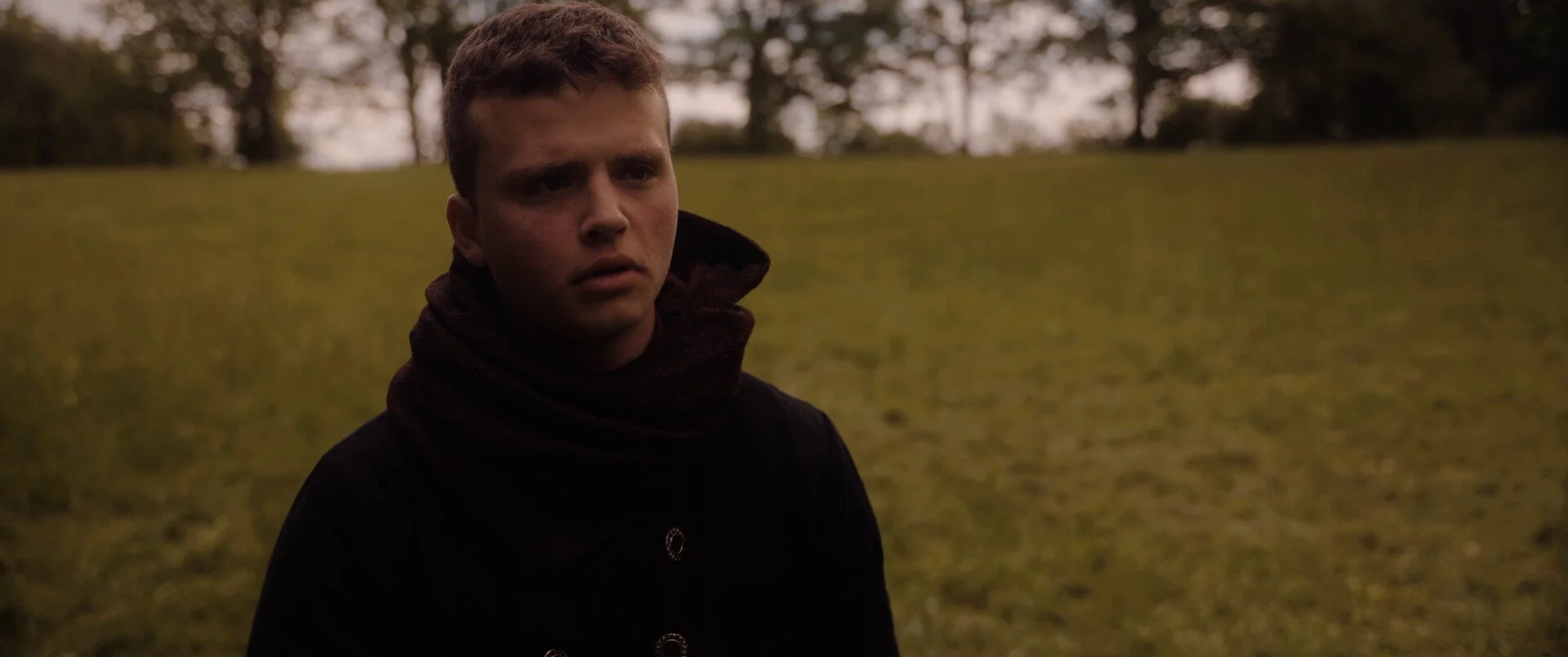
The story gets going quickly: Guillaume, a new member of the secretive Golden Dawn, has to pass one last test to earn his place. The core idea, finding yourself by rebelling against a broken system, is a classic for a reason, and it works.
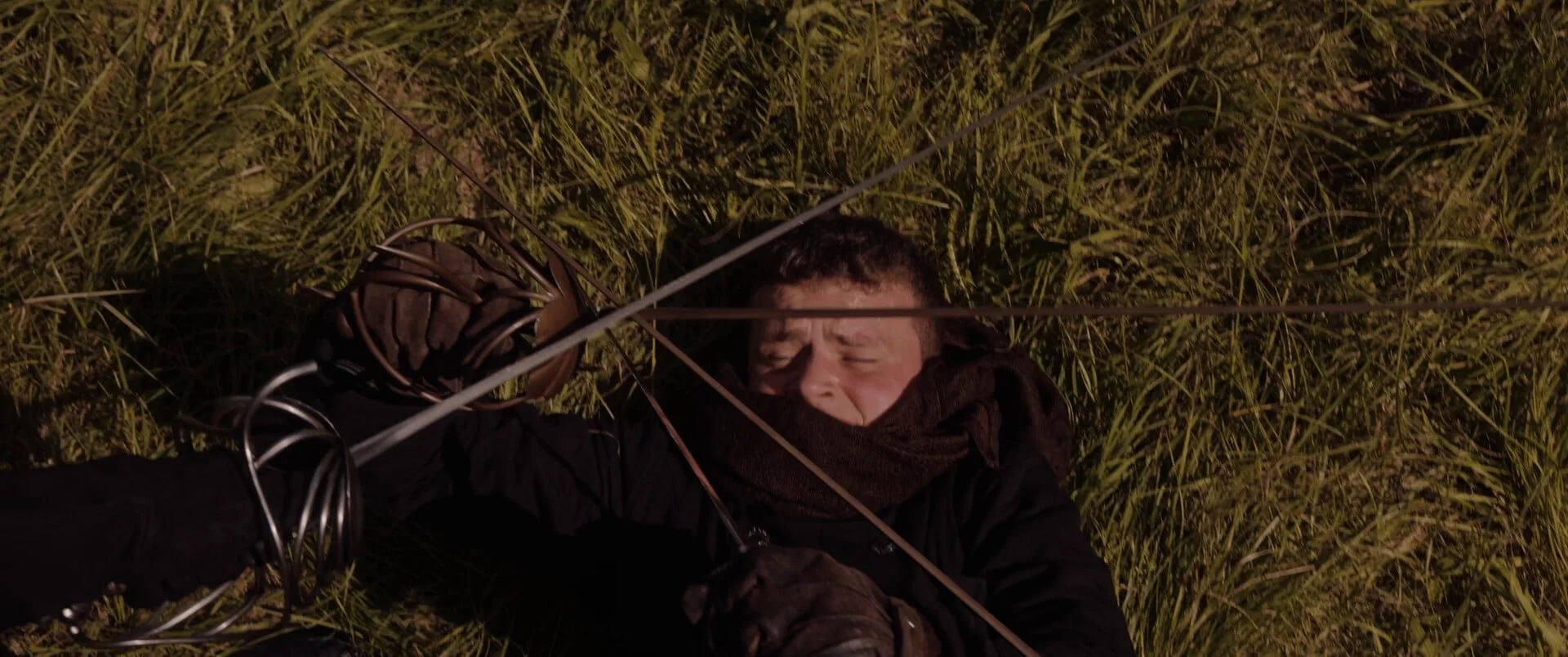
Technically, the film is where its ambitions are most convincingly realized.
The cinematography is its strongest asset. Director of Photography Kevin Sakac employs the 2.39:1 aspect ratio with intent, crafting compositions that feel expansive and cinematic.
The fight choreography is the other pillar of success; it is structured, physical, and conveys consequence, elevating the material significantly. The production and costume design, reminiscent of the team's work on La Mort Pourpre, provide a consistent and tangible world.
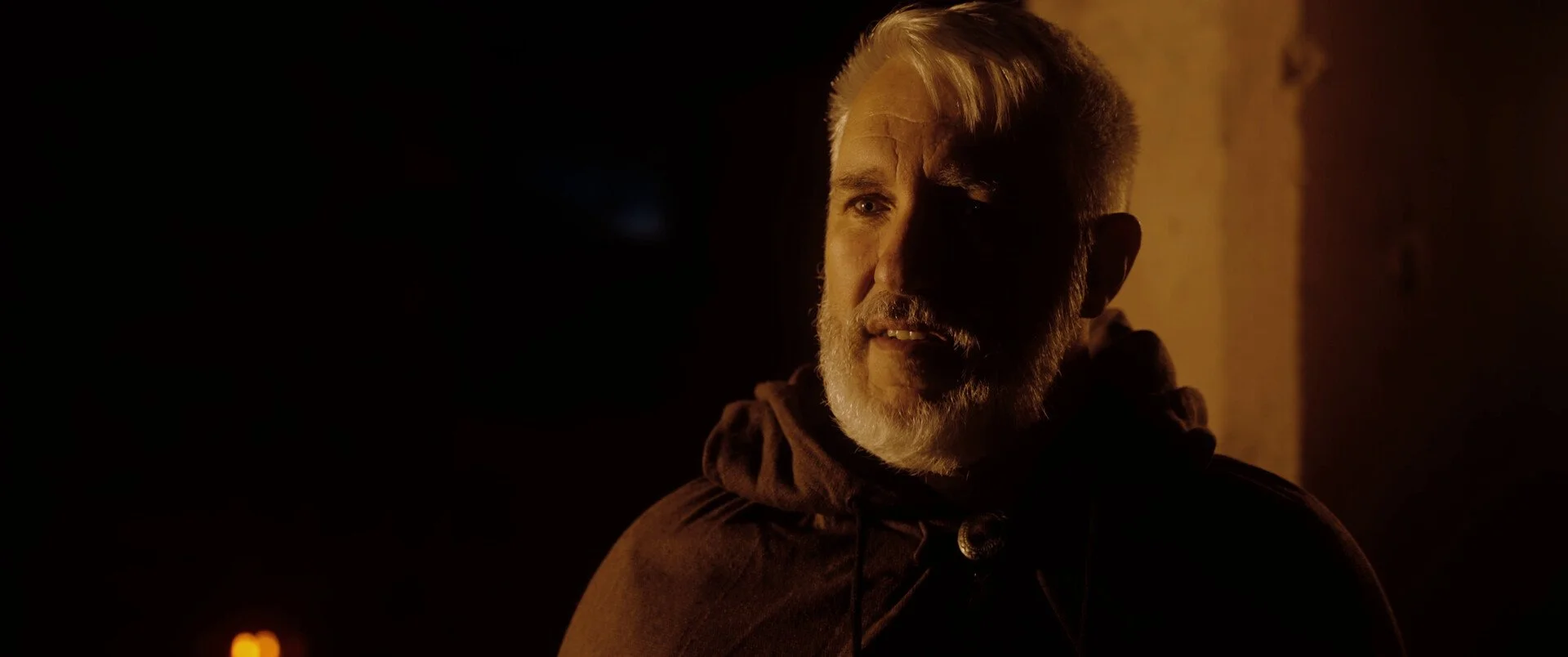
Yet, this technical confidence occasionally highlights other areas that lack the same definition. The pacing suffers from a noticeable sag in the second act, a corridor where character motivations are stated rather than deeply felt, coinciding with performances that waver between committed and theatrical. It is in these moments that the film's "TV episode" structure becomes most apparent, relying on archetypal dialogue to bridge set-pieces.
The third act climax, however, wins things back. The final sequence is a compelling synthesis of the film's strengths: dynamic camera work, cohesive action, and a clear, driving resolution for the protagonist. It is a reminder of the potent efficiency that short films can achieve, even if the path to that point revealed some uneven footing.
Forged in the same fire: a comparative analysis
So, where does L'Aube Dorée fit in the grand scheme of sword-clanging cinema? Right where it should. This is a team taking the tools they’ve honed and forging something sharper and more focused. Cheap Productions is doubling down on what they do best (world-building you can feel, fights you can believe) and the result is confident. The magic here is the potent, polished execution of a classic recipe.
The most immediate and enlightening comparison is to the collective’s own acclaimed work, La Mort Pourpre (2025). Directed by Erwan Ott but sharing key creative personnel—notably cinematographer Kevin Sakac and producer/writer Mélinda Martinho—La Mort Pourpre sets a high bar for atmospheric, genre-forward storytelling. Both films are masterclasses in maximizing budgets through meticulous mise-en-scène, where every frame is steeped in textural authenticity, from the grit of costuming to the heft of weaponry.
Where they diverge is in genre inflection, showcasing the team's versatility. La Mort Pourpre leans into folkloric horror, its snowy landscapes and supernatural menace evoking a lost dark-age fable. L'Aube Dorée, conversely, strips back the fantasy for a grounded political thriller. It trades the external monster for the internal conflict of loyalty, exchanging vampire-hunting for cloak-and-dagger intrigue. This shift highlights a maturation in narrative focus, concentrating on moral ambiguity within a secret society. The shared technical prowess (particularly the brutal, well-coordinated fight choreography that is a hallmark of their productions) becomes the throughline, proving the team can pivot tone without sacrificing their core cinematic strengths.
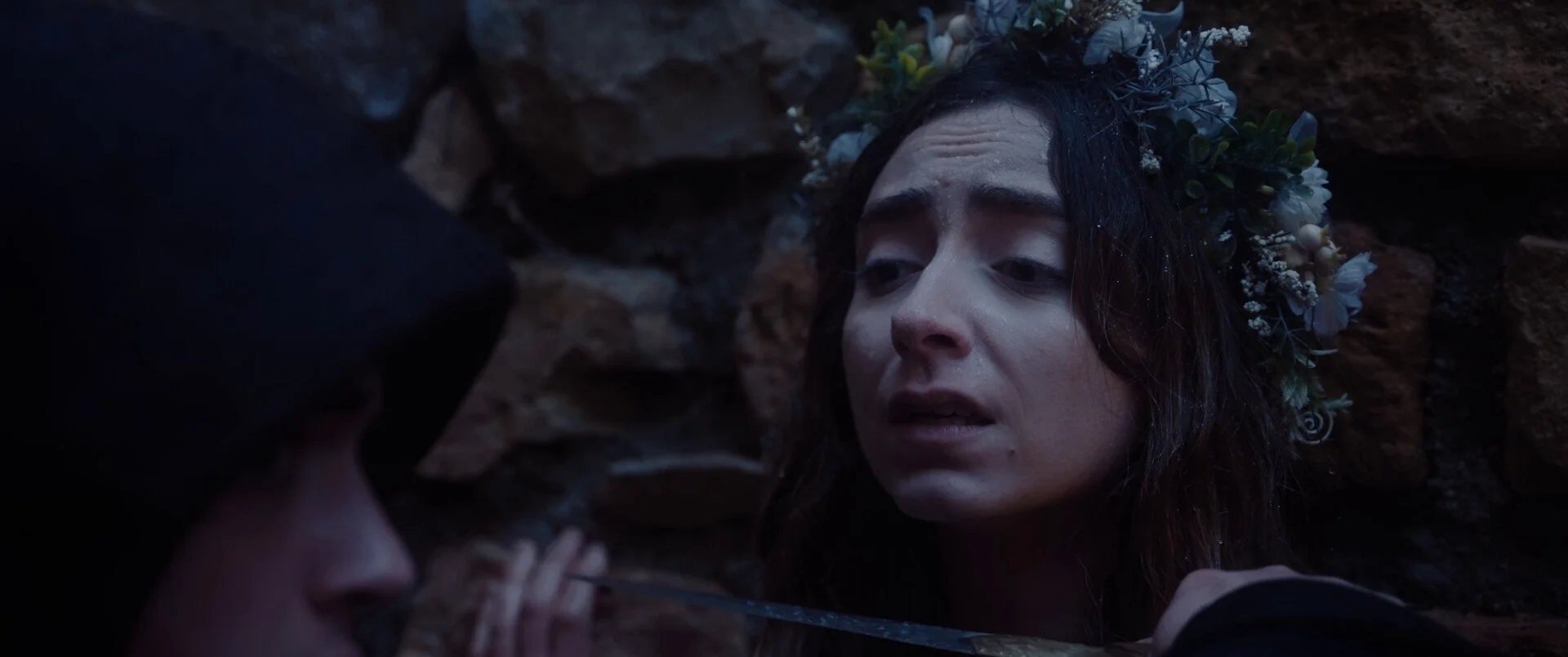
In the realm of Medieval & Action cinema…
Beyond its direct family tree, L'Aube Dorée knowingly engages with a rich tradition of historical drama. Its central theme - an initiate questioning the corrupt ethics of his order—echoes the foundational conflicts of stories like The Duellists (1977), though it condenses that film’s lifelong feud into a powerfully taut, 19-minute arc.
In its aesthetic and pacing, it captures the "premium television episode" quality that has become a gold standard for serialized storytelling, recalling the intimate, consequence-driven politics of early Game of Thrones or the grim personal journeys of The Last Kingdom.
However, the film carves its own space by resisting the scale and lore-dense exposition of those counterparts. It is closer in spirit to the focused, visceral simplicity of the character-centric action of Rob Roy (1995). Its fight scenes, a major strength, prioritize weight and consequence over flashy acrobatics, aligning more with the grounded brutality of The Northman (2022) than the stylized ballet of many fantasy franchises. This deliberate choice lends its conflicts a palpable stakes that is impressive for a project of its scale.
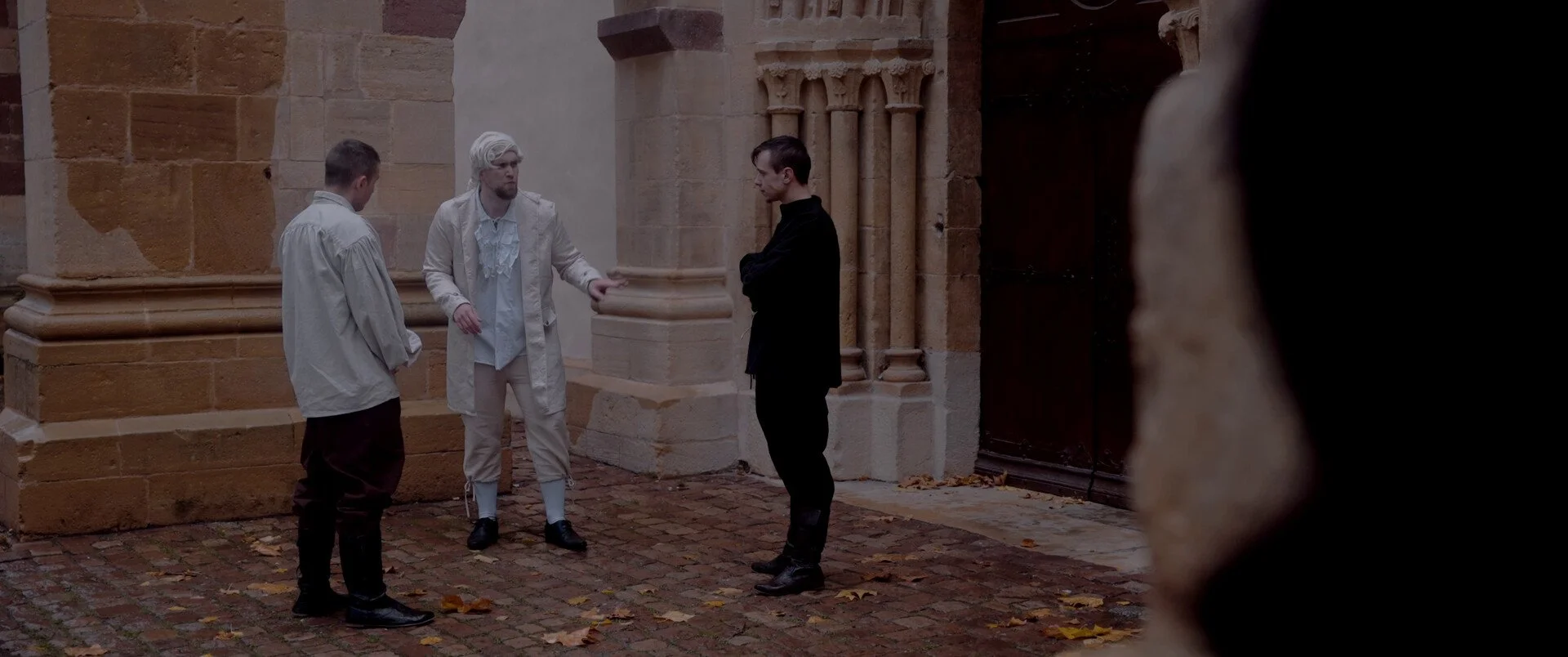
The power of the short film format…
Ultimately, L'Aube Dorée succeeds as a proof to what the short film format can achieve at its best. In a space where many ambitious projects buckle under rushed plots or underwhelming production values, this film demonstrates a disciplined understanding of its timely constraints.
It delivers a complete, satisfying narrative loop: awakening, conflict, climax, resolution, while showcasing world-building and action set-pieces that belie its budget. It doesn’t feel like a truncated feature or a proof-of-concept; it feels like a definitive, self-contained story, and you root for its hero.
For festival audiences, L'Aube Dorée makes one thing clear: Cheap Productions is no longer just a promise—it's a reliable stamp of quality for genre fans. The film might call to mind bigger epics, but its power comes from its own focused execution.
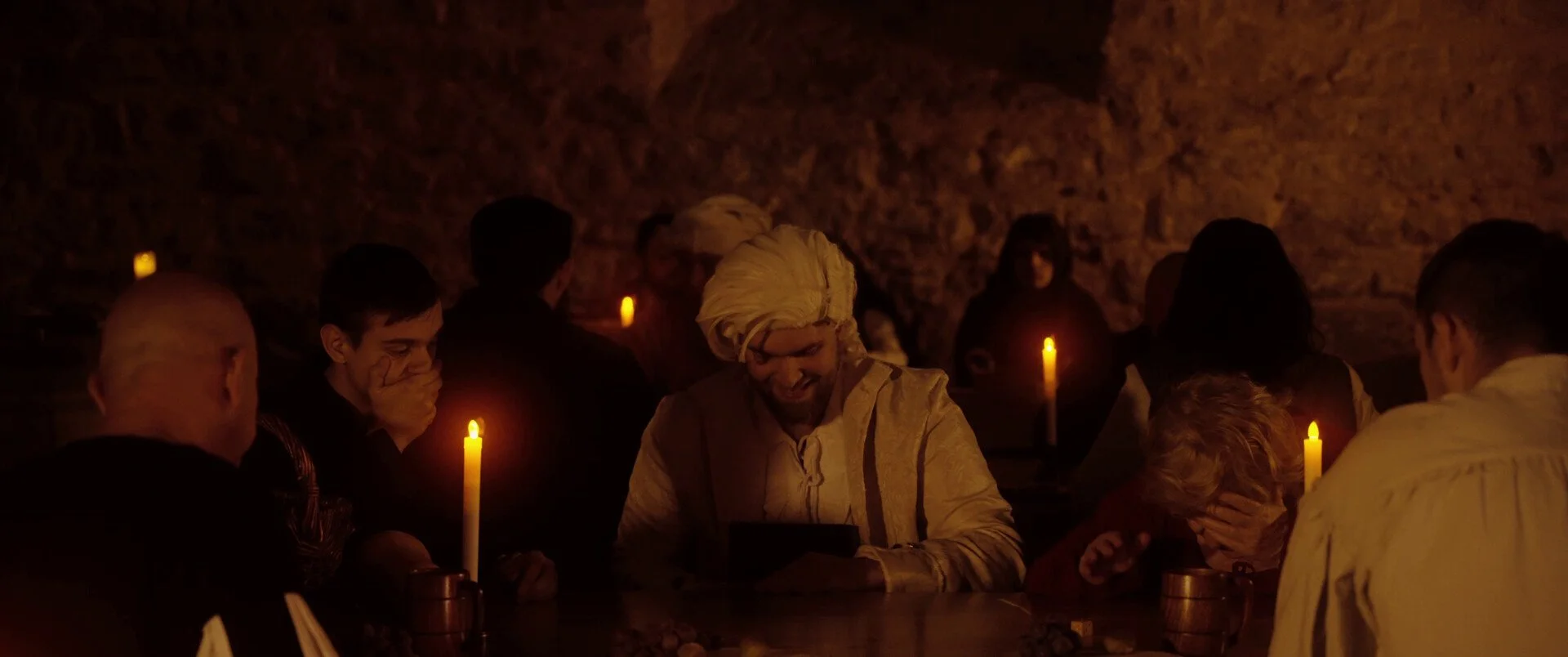
Recommendation: This film will satisfy viewers with a primary appetite for well-constructed period action and atmospheric world-building. It is less suited for those seeking narrative innovation or deep character excavation. Its value lies in its demonstration of craft—a showcase of how to build a believable, kinetic world within stringent confines.
Final Verdict: L'Aube Dorée is a professionally assembled short that wins on technical merit and pure genre commitment. It is an effective, if not groundbreaking, exercise in style, suggesting a filmmaking team with the skill to execute a vision, now awaiting a script with a voice as distinct as its visual palette. For a festival audience, it stands as a solid example of proficient, ambitious indie genre work.
Discover more reviews:

“La Mort Pourpre”
This French production set in medieval times, is a great example of independent filmmaking, delivering a complete, dynamic, narrative that would feel perfectly at home as an episode in a prestige fantasy anthology series.

“The Application”
Actor turned filmmaker Joey Brooks (The Big Short, Succession) creates a masterclass in miniature.
The dean of admissions at an Austrian university makes a small, selfish local choice with giant global impact.