

A spoiler-free review by Kraken Film Reviews
Come the Nightfall (2025)
-
Tom Michaels
-
Tom Michaels
-
United States
-
Joel Hoganè
-
22 minutes 52 seconds
-
Horror
-
English
-
Read it? Now hear it.
Don't just read the review, listen to it.
Every great film has an audio track. Now, so do our reviews.
Chapter 1 - The Road to Somewhere You Shouldn't Go
Come the Nightfall (2025), the third and latest short from writer-director Tom Michaels, arrives drenched in the sweat and shadow of classic noir. Shot on 16mm film at a reported budget of $75,000, this 23-minute thriller from Orzel Films is a handsome, atmospheric exercise in dread — one that knows exactly what it wants to be.
Michaels, whose previous films earned multiple awards between, is clearly a filmmaker with taste and ambition.
Chapter 2 - Somebody Here Isn't Who They Say They Are
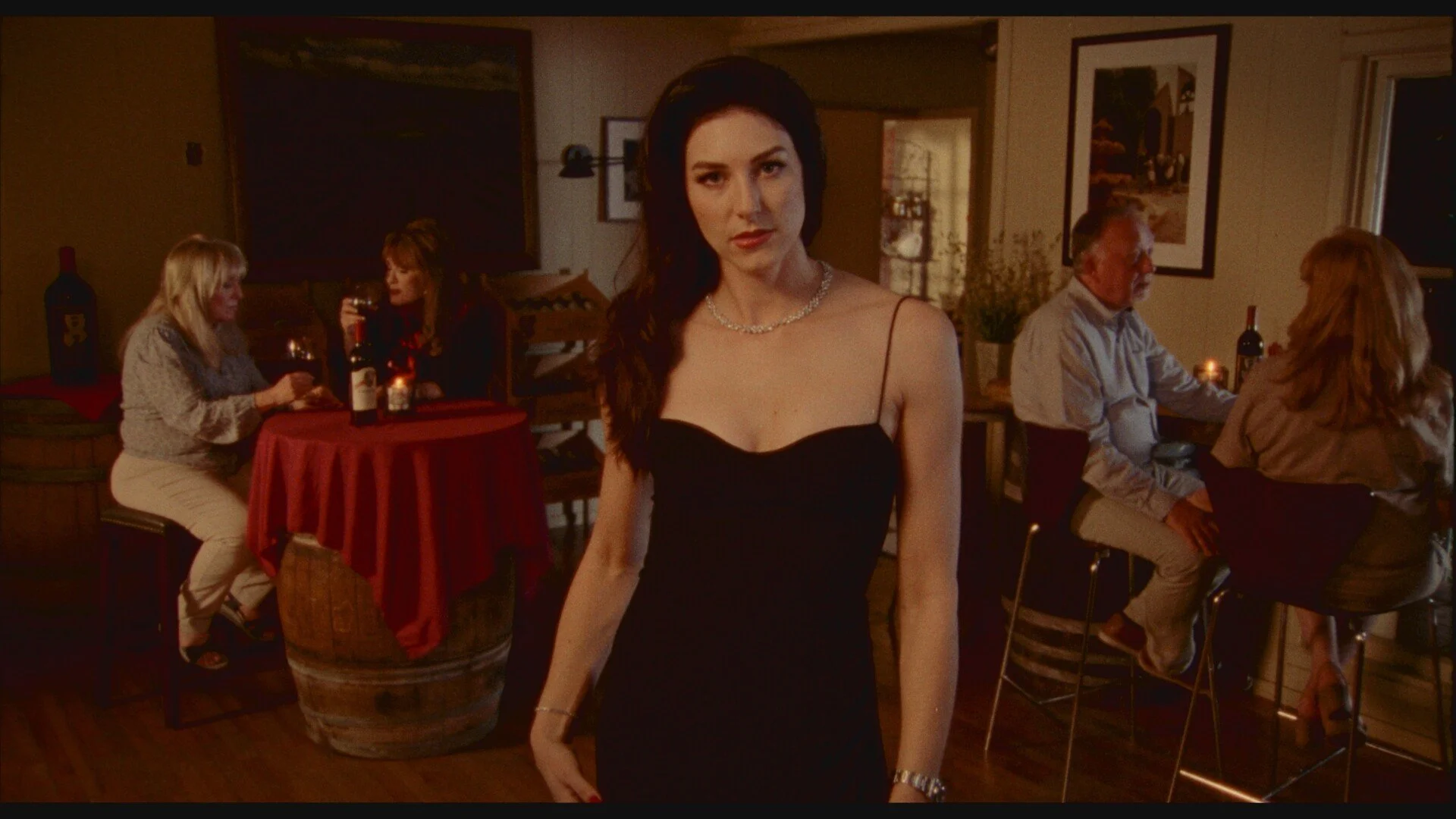
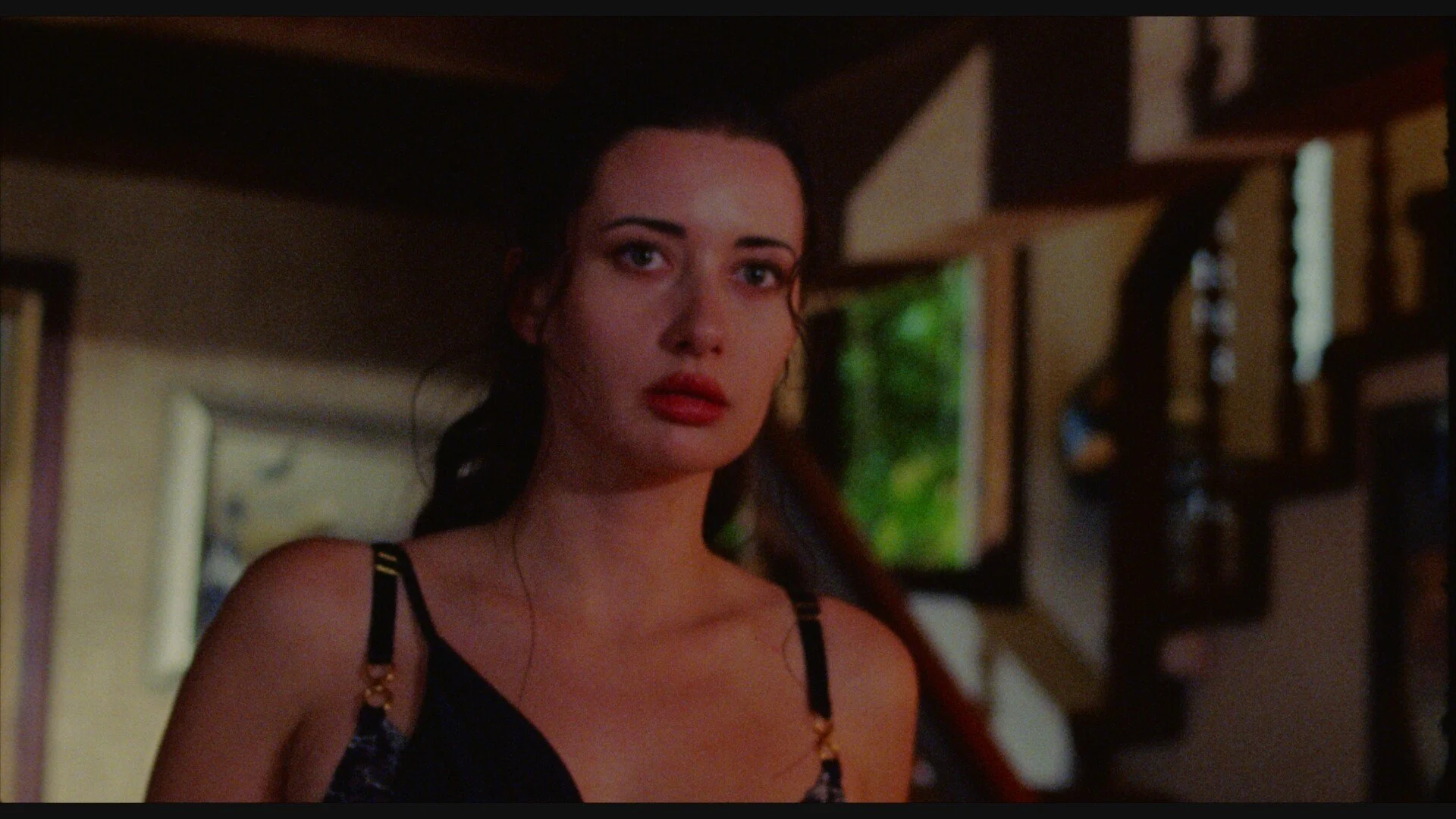
Bill, a wealthy and self-assured man, spots a striking woman named Joanna stranded alone on a deserted road at night and offers her a ride.
Drawn in by her allure, he invites her back to his home for dinner: a decision that sets in motion a slow-burning cat-and-mouse tension that neither character, nor the audience, can quite get ahead of.
Michaels keeps his cards close throughout, and the film's central mystery holds firm well into the second act. What follows is best discovered in the dark.
Chapter 3 — Grain, Guts & Synthesisers
Michaels shoots Come the Nightfall on Kodak 16mm, and the decision pays dividends from the first frame. The grain is an aesthetic nostalgia, but it also gives the film a tactile unease that digital would scrub clean, and cinematographer Ben Steeper's color work ensures it never tips into murkiness.
The result is a short that feels genuinely vintage rather than costumed: a film that didn't so much study the early 1980s as apparently never left them.
The editing, too, speaks that same decade's language, perhaps a little too fluently at times.
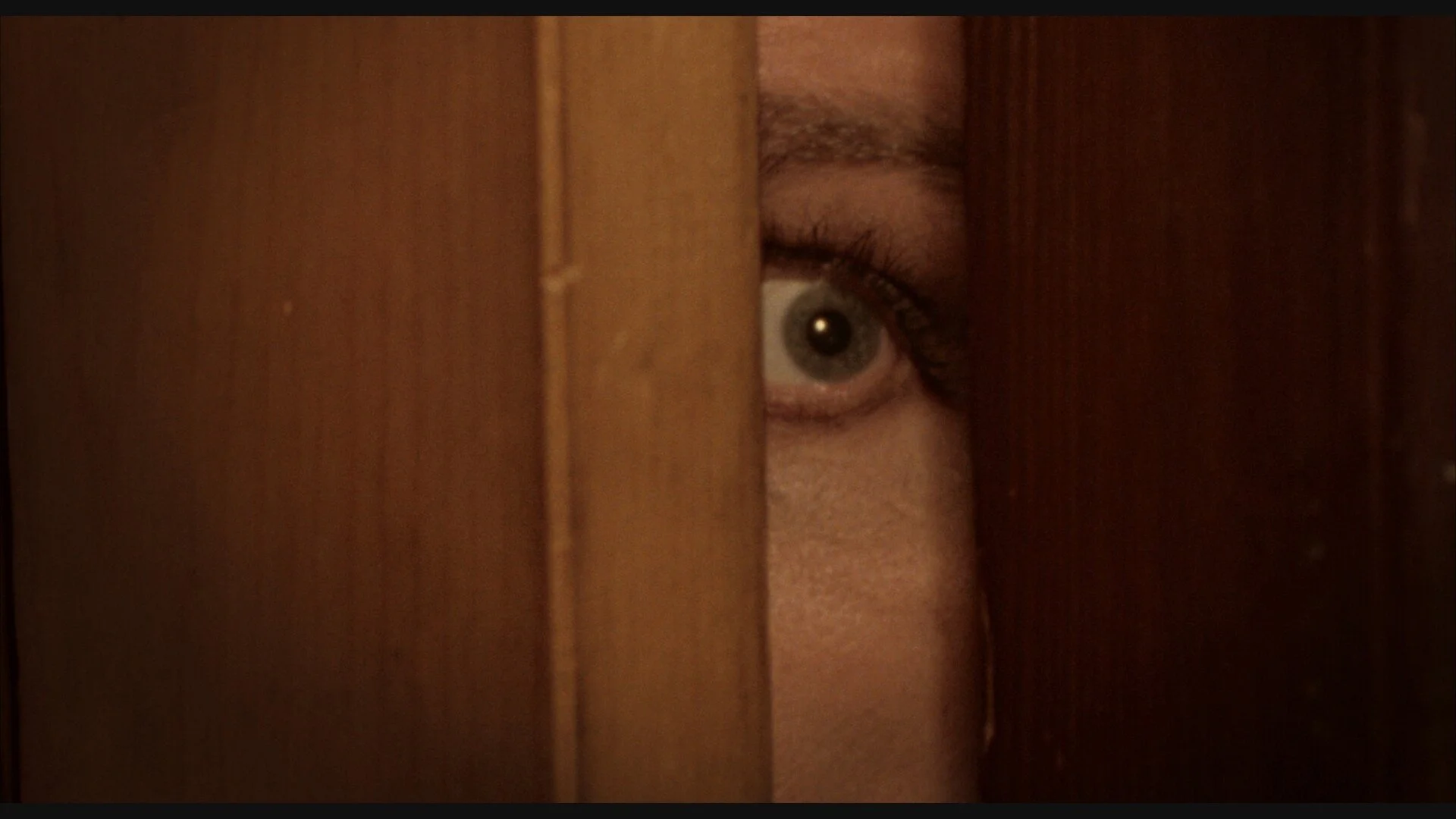
The director and cinematographer did their work: Ned Thorne alternates point-of-view shots with objective ones in a rhythm familiar to anyone who grew up on slasher cinema, a technique that keeps the viewer unsettled about where exactly to place their trust. You are simultaneously inside the scene and watching it from the outside, never quite safe in either position. Whether that discomfort is intentional is, fittingly, unclear. It is one of the film's quieter achievements - and in a film about predators and prey, nothing is ever quite what it seems, including the camera itself.
Where Michaels pulls furthest from genre convention is in atmosphere. Samuel Joseph Smythe's score is one of the short's most valuable assets: a propulsive, textured soundtrack that does as much work as any image to keep the dread humming.
There are moments that recall David Lynch's instinct for using sound as a form of psychological pressure, the kind of score that makes you feel watched even when nothing is happening on screen. Which, come to think of it, is exactly the point. The first act, however, does test patience slightly; the pacing lingers in places where a tighter cut might have drawn blood sooner.
For a film so interested in the thrill of the hunt, it takes its time picking up the symbolic editing “knife”.
Chapter 4 - Two People, One Very Bad Idea.
Tom Michaels and Jade Warwick make for an intriguing pair: two people sharing a dinner table with very different ideas about how the evening should end.
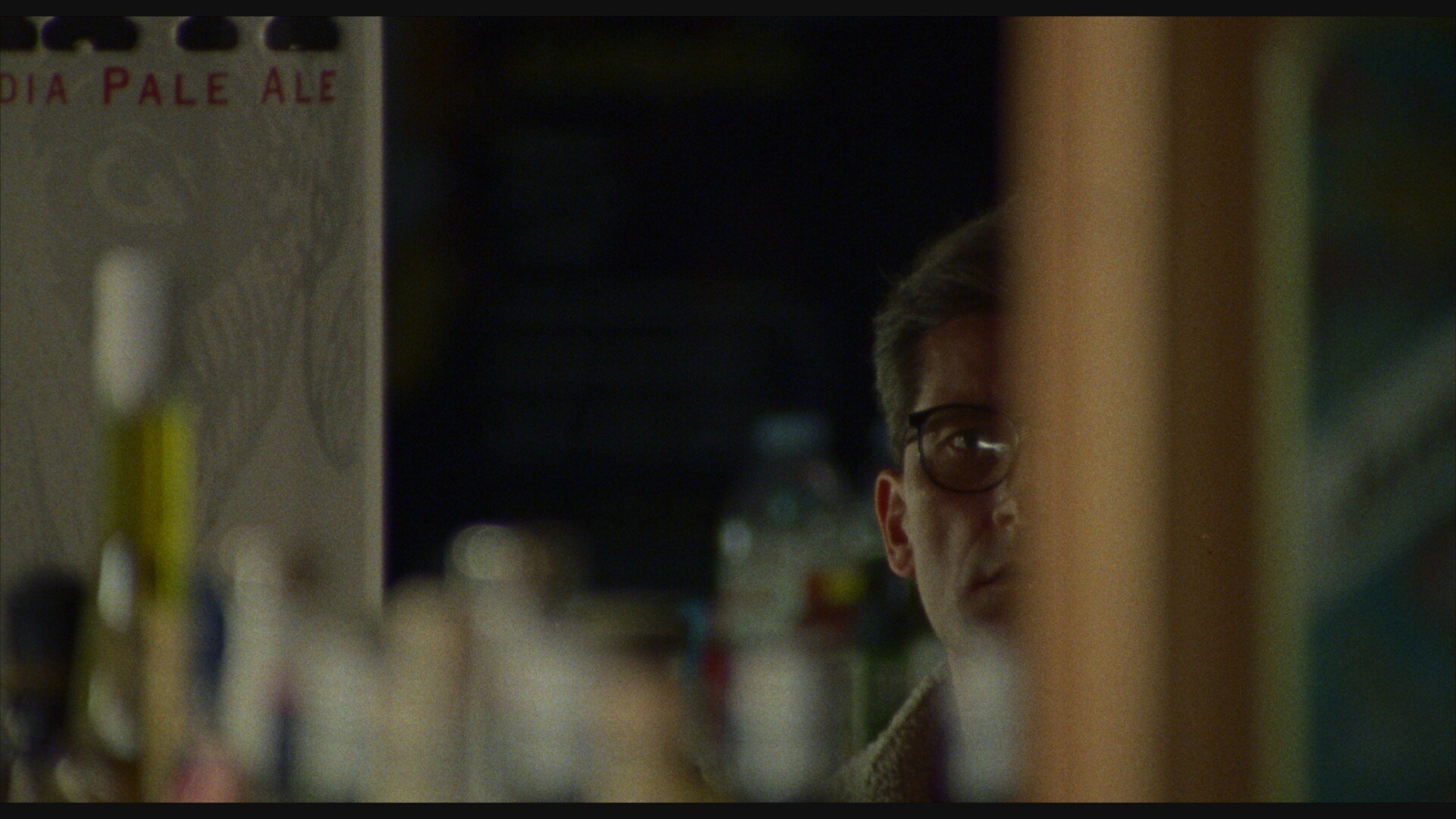
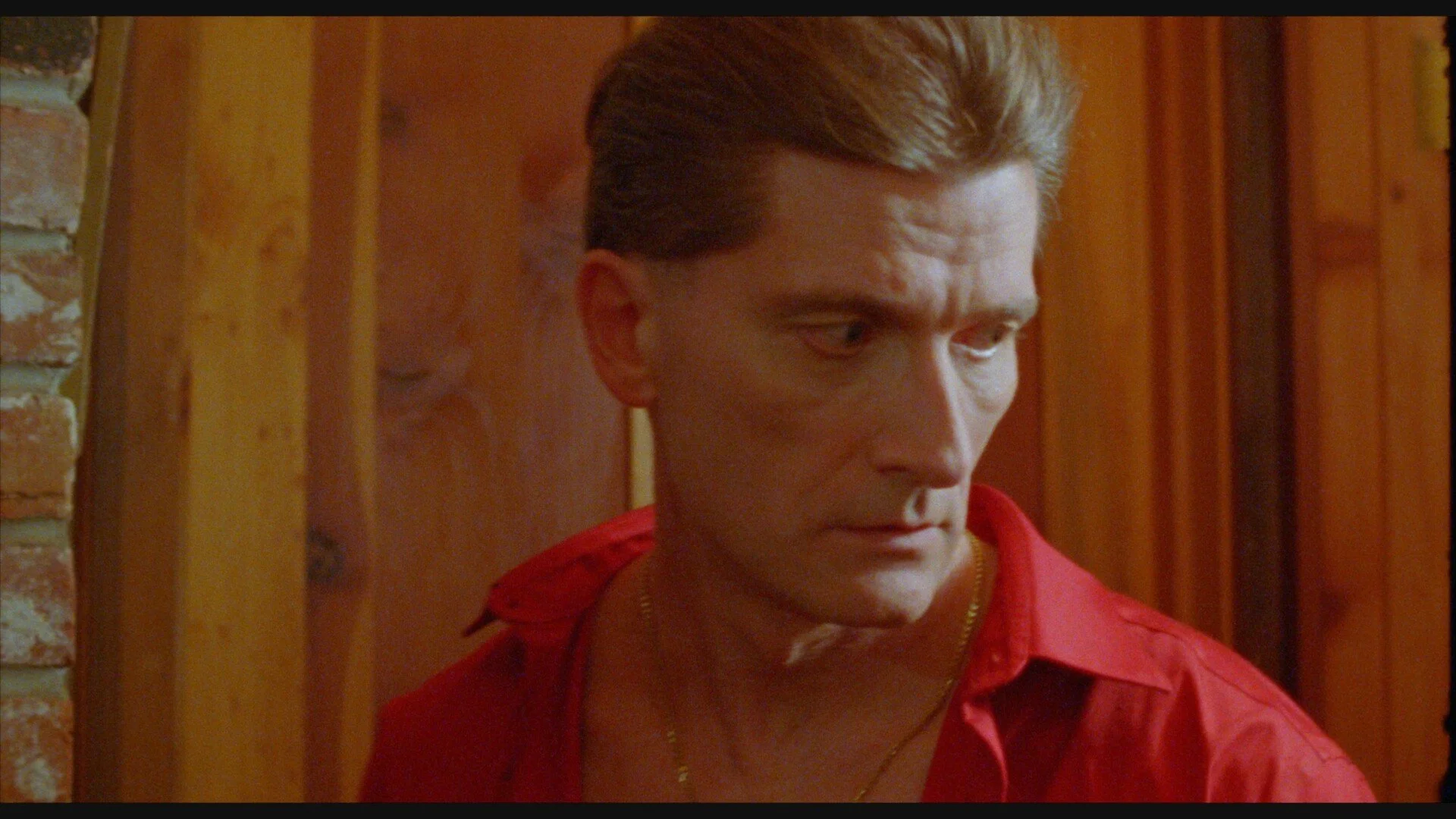
Warwick, as the enigmatic Joanna, carries much of the film's mystery on her shoulders and wears it well. She is the kind of presence the camera trusts instinctively, and Michaels the director is wise enough to let her simmer rather than boil. Michaels the actor, meanwhile, brings a studied physicality to Bill — a man whose confidence in any room he enters is precisely the thing that should worry us most.
There’s something you can’t quite get a hold on, as if they’re both keeping and hiding something, and that adds to the mystery.
The early scenes between them carry the occasional rough edge — a moment here or there where the dial between allure and menace hasn't quite settled — but these are minor growing pains in what becomes, by the third act, a genuinely charged dynamic.
As the film tightens its grip and the mystery sharpens, so do they. The tension that builds between Warwick and Michaels in the film's closing stretch feels earned, which in a short of this length is no small feat. In a film where nobody is quite who they appear to be, it helps that neither performer entirely tips their hand, right until the moment the cards hit the table.
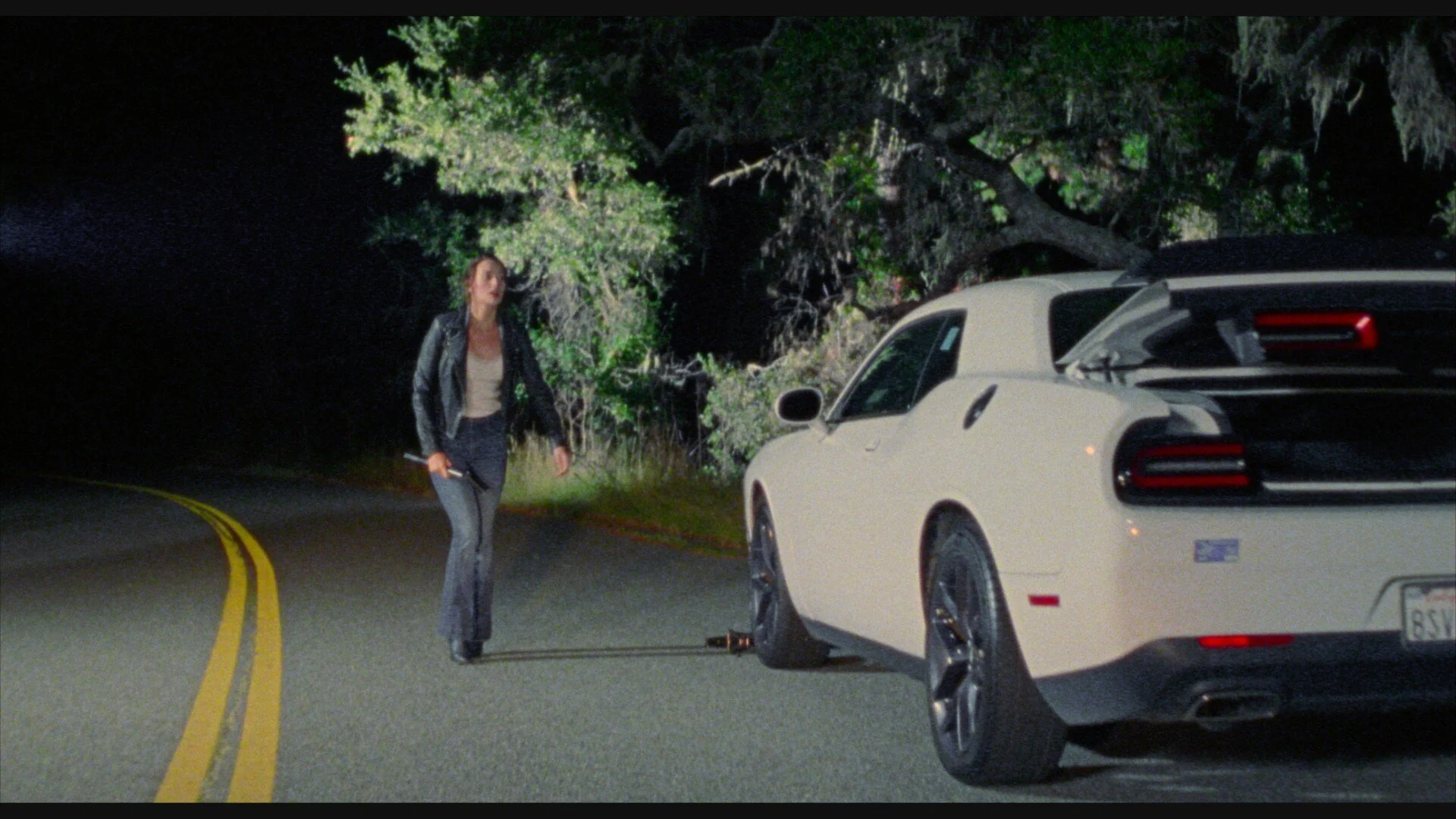
Chapter 5 — Desire Is the Oldest Trap: themes.
Come the Nightfall is a film about the oldest and most dangerous of human impulses — desire. Bill sees something he wants on a deserted road and, with the easy confidence of a man accustomed to getting what he reaches for, he reaches. What he doesn't account for is that desire, in the world Michaels constructs, is never a one-way street. It is a current that runs in both directions, and not everyone standing in the road is lost.
The femme fatale is one of cinema's most loaded archetypes, and Michaels handles her here with knowing affection. Joanna is dangerous not despite her allure but because of it, and the film understands, in its better moments, that the real horror isn't what lurks in the dark but what we willingly walk toward in the light.
It is a renowned idea dressed in 16mm grain and a synthesiser score, which is perhaps exactly what it needs to be.
The Lynch influence runs deepest here. Lynch always understood that suburbia and civility are simply danger wearing a dinner jacket, and Come the Nightfall borrows that same unsettling logic: the nice house, the candlelit table, the charming host. The ending, when it arrives, doesn't just surprise, it recontextualises. Suddenly the film you thought you were watching turns out to have been watching you back all along.
Chapter 6 - A Filmmaker Worth Watching.
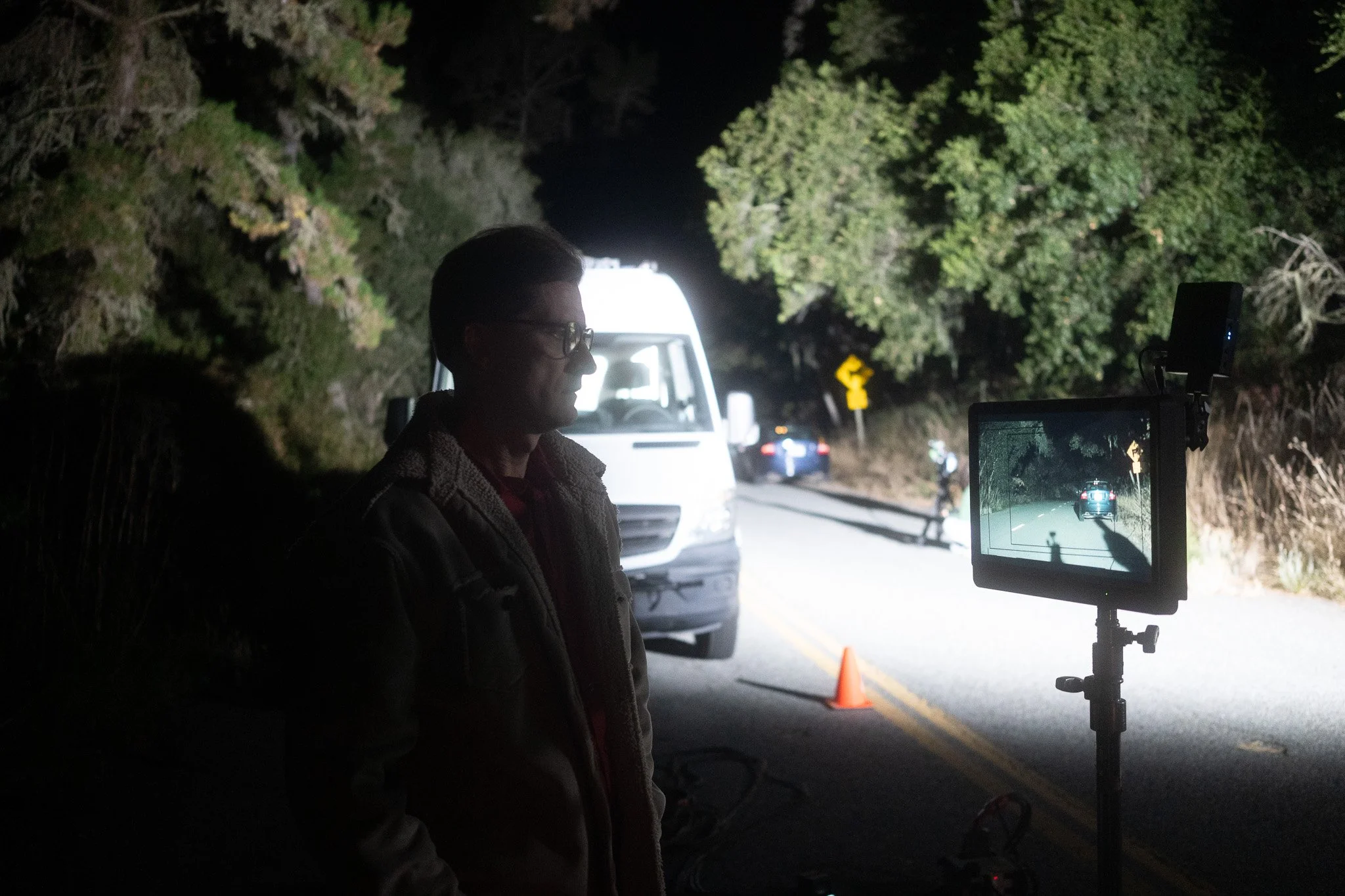
Come the Nightfall is an assured, atmospheric short that confirms Tom Michaels as a filmmaker with a genuinely distinctive eye.
The first act idles where it should accelerate, and a few early performance beats haven't yet found their sharpest edge - but its ambitions are clear, its craft is largely confident, and its ending lands with the kind of force that makes you want to rewind and look for what you missed. Which, in a 23-minute thriller, is about the highest compliment you can pay.
For fans of 1980s horror and noir-tinged thrillers, it is close to essential viewing. For cinephiles drawn to handcrafted, auteur-driven work shot on actual film, it is a reminder that independent short cinema still has the capacity to unsettle and surprise. And for festival audiences keeping an eye on original voices, Michaels is a name worth circling.
Come the Nightfall doesn't just promise a filmmaker on the rise it delivers one, one unsettling dinner at a time.
Filmmaker & Ensemble
The visionaries and performers who conjured this 80s-tinged nightmare



Discover more reviews:
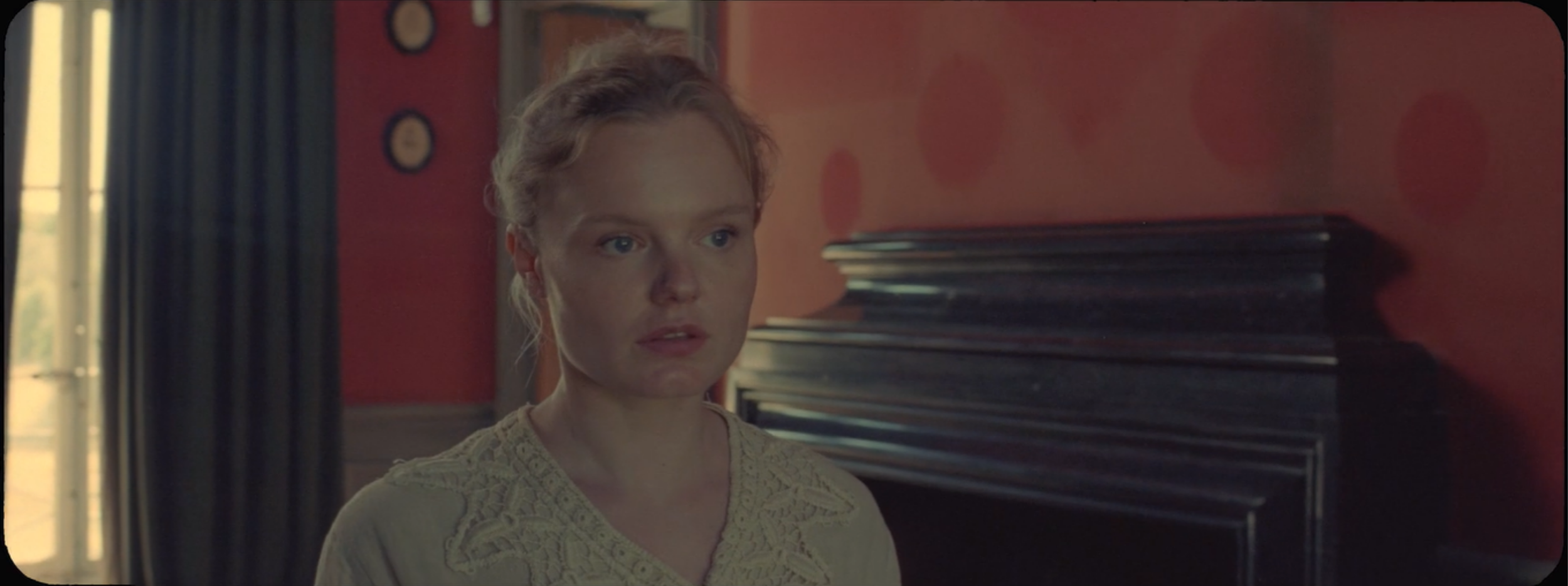
“The Application”
Actor turned filmmaker Joey Brooks (The Big Short, Succession) creates a masterclass in miniature.
The dean of admissions at an Austrian university makes a small, selfish local choice with giant global impact.
“Viaticum”
Directed by filmmaker Derek Frey (Miss Peregrine's Home for Peculiar Children, Frankenweenie, Big Eyes, Alice in Wonderland)
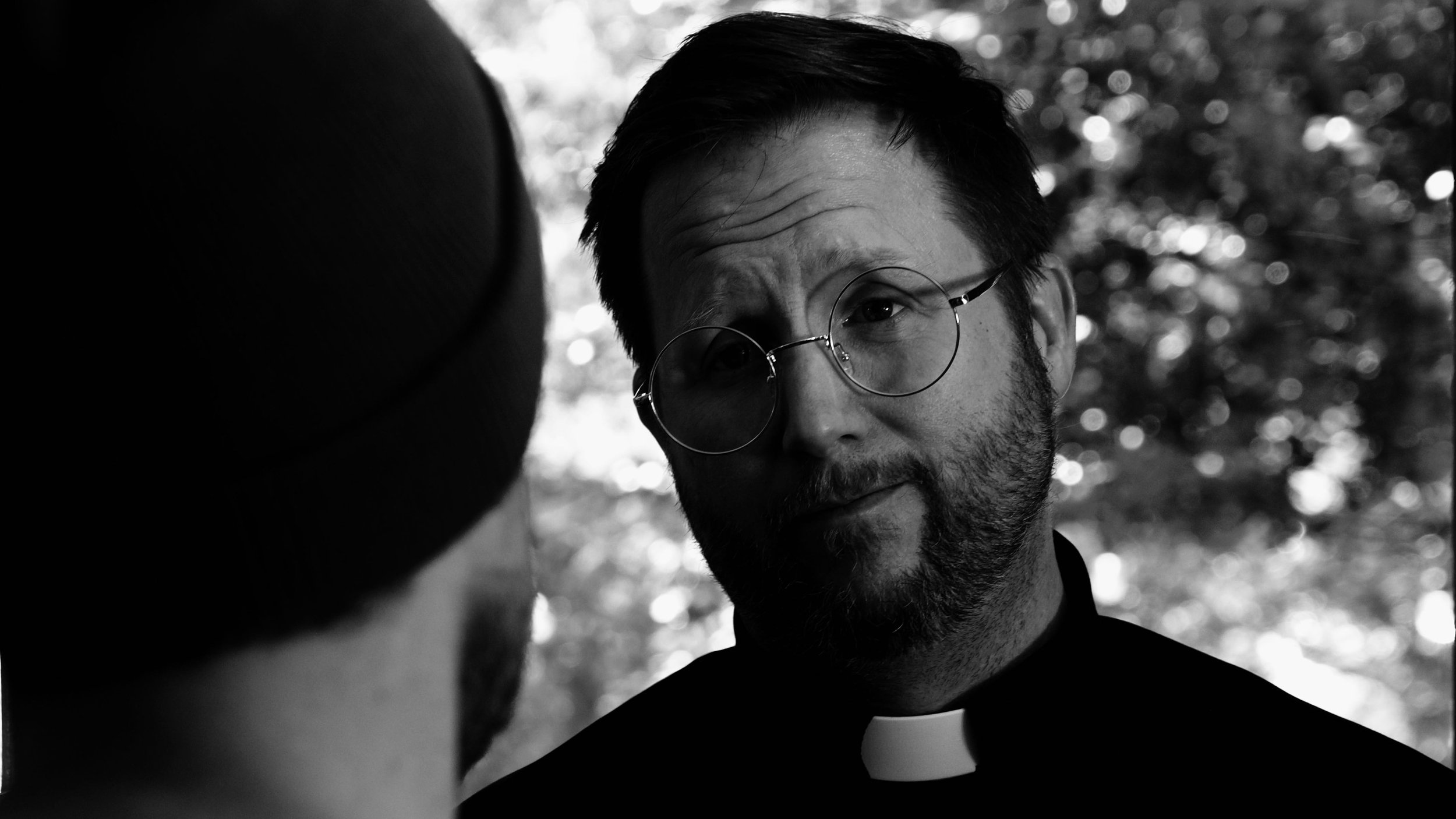
A dark comedy that follows the story of Albert Lewis, a man nearing the end of his life, and his son Jason. Things take a wild turn when the local priest, Father Kettinger, arrives to administer the last rites.